
Parking in Sinaia: where to leave your car
Finding a parking space in Sinaia can take longer than expected, particularly at weekends and near Peleș Castle. Decide where to leave the car before driving into the narrow uphill streets.
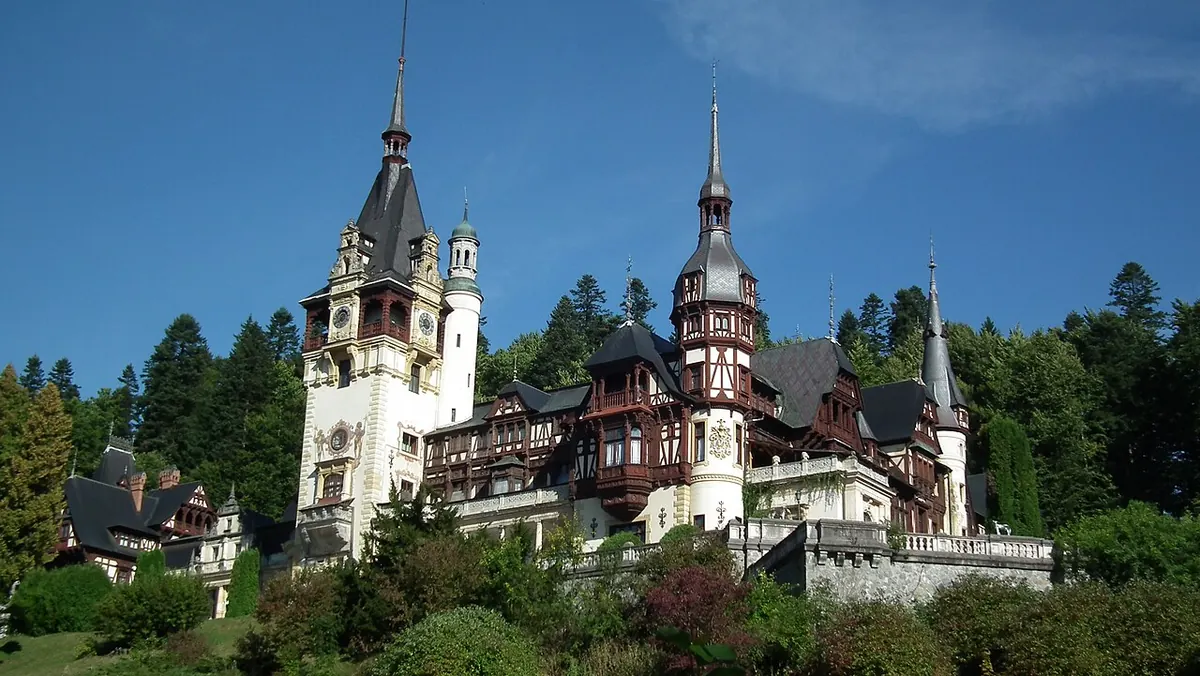
Different areas, different reasons to park
Where you leave the car should depend on your first destination. A central-space choice can work for walking around town, while a visit to the royal quarter may require a different approach. The cable-car and gondola lower terminals have their own access routes and should not be confused.
Do not follow an old screenshot of a “free parking” location without checking current signs. Tariffs, permitted stays and road restrictions can change with municipal decisions and seasonal events.
Parking for Peleș Castle
The castle sits above central Sinaia. Parking near the approach may fill quickly during busy periods. Plan for a walk from a legal space to the museum entrance; do not expect to drive to the building’s doors.
If someone in your group cannot manage the uphill approach, look into official access and local transport arrangements before you book tickets. The museum has published a closure of its interior from 2 November until 1 December 2026, so first check whether your planned attraction is open.
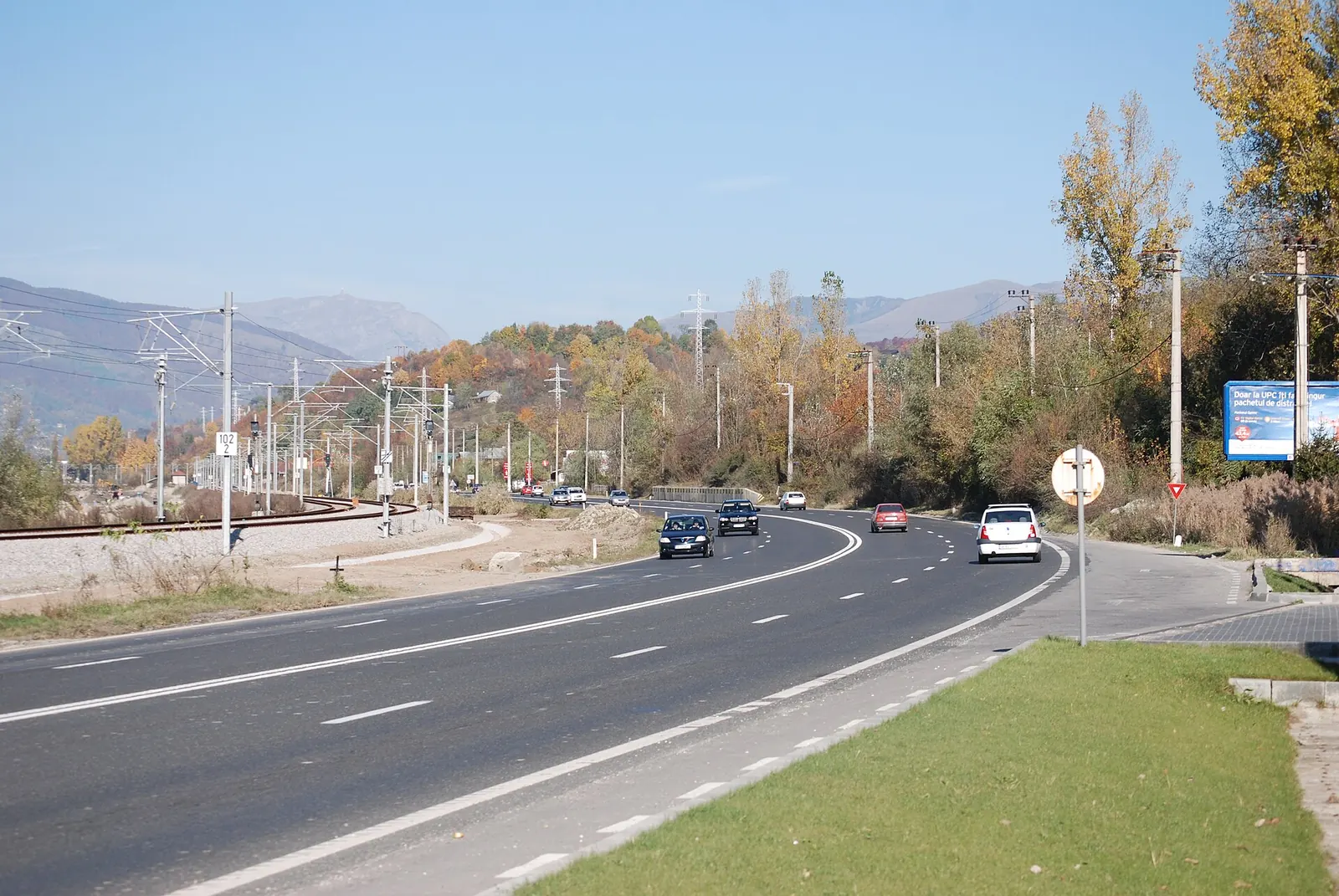
Parking for the gondola and cable car
One of the easiest errors in Sinaia is driving to the wrong departure station. The gondola and classic cable car are distinct systems with different lower terminals. Check which sections are actually operating and navigate to the correct entrance.
Wind or maintenance can close an upper section while other infrastructure remains accessible. Parking near a closed lift will not save your trip.
How to handle payment and restrictions
Read every sign at the location: paid hours, vehicle category, maximum duration and the official payment method. If using an app or SMS payment, check the correct zone and confirmation. Keep receipts if payment verification matters.
Do not park across gateways, pedestrian routes, emergency access or where buses need to manoeuvre. The fact that other cars are doing so is not proof that it is permitted.
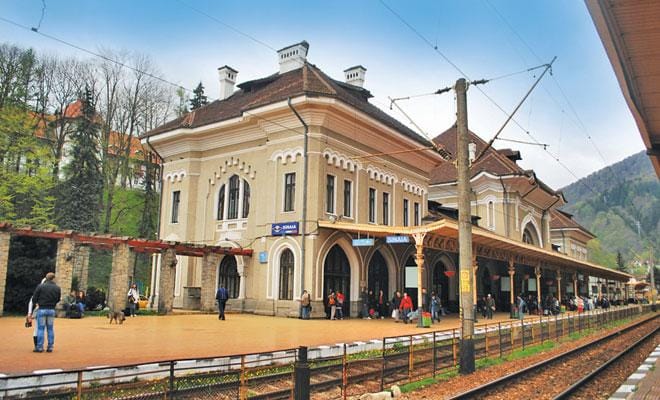
When the train is the better choice
For a short visit focused on the town and castle, the train often removes the biggest parking problem. Choose accommodation with a manageable walk from Sinaia station and use a taxi for the uphill final segment if needed.
See Sinaia by train and station-area hotels to compare costs and convenience.
Which parking area fits the place you came to see?
Sinaia is more compact on a map than it feels on foot. The railway station lies below much of the central town, the royal estate is uphill, and the gondola has its own approach. Choosing parking simply because it is the first space you notice on a busy street can create a longer walk than expected. Start with the actual destination: Peleș Castle, the central park, your hotel or the lower gondola station.
The municipal parking operator lists separate locations. Aleea Peleșului and Furnica serve the royal-quarter area, while Octavian Goga is near Dimitrie Ghica Park. The Gondola Sinaia car park is located at the lower gondola terminal on Aleea Telegondolei, not at the castle. Calea Codrului has another parking location associated with the gondola approach. Their prices, spaces and operating rules are not interchangeable.
Check whether the car park is appropriate for your vehicle and the likely duration. A large car park may be easier for a full day, while a small central facility can fill early on weekends. Do not assume the nearest listed facility has a vacant space merely because it appears on an official map.
Published tariffs: what they mean and what they do not
At the time of checking, the operator’s published tariff page lists 6 RON per hour or 30 RON per day for passenger cars in locations such as Aleea Peleșului, Furnica, Cuza Vodă, Ferdinand and Octavian Goga. The gondola car park is shown at 30 RON per day. These are published figures, not a guarantee that the same price will apply on a future date or that every facility accepts the same payment method.
The operator also distinguishes vehicles such as minibuses, motorhomes and coaches. Do not assume that a price displayed for a passenger car covers a larger vehicle. Some facilities have dedicated spaces or different rules for larger vehicles, and some station-related tariffs are listed specifically for coaches. Read the signage at the entrance before paying and keep your receipt or payment confirmation.
If you are staying overnight, ask the accommodation whether it includes parking and whether the space is guaranteed. Free street parking mentioned in an old review may no longer be lawful or available. A room that looks cheaper can become less attractive when daily parking and repeated taxi journeys are added to the bill.
Parking for Peleș Castle and Pelișor
The royal-quarter approach is uphill, and the castle’s visitor access is not the same as the entrance to a commercial car park. Aleea Peleșului and Furnica are among the official parking locations associated with visiting Peleș and Pelișor. The municipality lists a relatively small number of spaces in some of these areas, so arriving during a busy period without a backup plan can be frustrating.
Even after leaving the car, expect a final walk towards the museum. The route can include slopes, steps and wet or icy paving, so it is not always an effortless stroll for an elderly visitor or a family with a stroller. For reduced mobility, ask the museum and local transport providers what drop-off arrangements are possible instead of assuming a parking space is adjacent to the entrance.
Check the museum before paying for a full day: Peleș Castle’s interior is closed from 2 November through 1 December 2026 under the official conservation notice. During those dates, parking near the estate does not turn the visit into an indoor museum tour. If your interest is only interior access, alter the schedule.
Parking for the Sinaia gondola
The lower gondola terminal has a designated parking area on Aleea Telegondolei. The official parking site lists a substantial car park there, but lift access is a separate issue from parking availability. You can arrive at the car park and still find that the upper gondola section is suspended because of wind, technical revision or operational decisions.
Check the Sinaia cable transport guide and the operator’s live bulletin before driving to the station. There are different cable-car and gondola systems in Sinaia, with different lower access points. A parking location that is convenient for the gondola may not be the right choice for the telecabină. Search by the exact station name when using navigation.
On ski weekends, queues and people unloading equipment can slow access. Do not park across a driveway or pedestrian route because a car park appears full. Follow staff instructions and designated spaces. If you have a family with bulky gear, it can be less stressful to arrive earlier rather than plan on finding the closest space at peak time.
Central Sinaia, the park and the railway station
For a relaxed town visit, the central parking areas may make more sense than parking at the castle or cable-car terminal. Cuza Vodă serves the centre, while Octavian Goga is located near Dimitrie Ghica Park. The official list also includes parking around the Sinaia railway station area, with some tariff information specific to coaches. Check the actual entrance and signage before assuming a spot is suitable for an ordinary private car.
From a central location, you can walk between cafés, the park and some town attractions. That is attractive in good weather but less comfortable when sidewalks are icy. A visitor planning several short stops should be realistic about walking distances and elevation. Driving from one street to the next may create more trouble than leaving the car once in a sensible central area.
If you arrived by train, you may not need a parking guide at all. The station already puts you within reach of the central town, although the royal estate requires an uphill continuation. Consider whether a taxi for the final climb is simpler than bringing a car just for an afternoon.
Payment, legality and busy-day alternatives
Use designated spaces and check the posted terms. Parking on a pavement, at a bend or in a place that blocks emergency access is not a sensible substitute for a full lot. A quick photograph of your location and the payment confirmation can save trouble when you return after a long visit. If a pay machine is unavailable, follow the operator’s authorised alternatives rather than leaving without payment on a guess.
Busy holiday afternoons are the wrong time to discover that a reservation does not include parking. Contact your hotel before travelling and ask whether a space is actually assigned to you. Check also if overnight fees differ from a day tariff and whether the car must be moved during certain hours. An arrangement stated clearly in writing is more useful than the word “parking” in a generic accommodation listing.
For a short city-centre visit from Bucharest, train travel can remove the parking decision entirely. It will not suit every family or rural itinerary, but it is worth comparing. The train day-trip guide and ticket instructions offer a practical alternative to joining DN1 traffic.
Sources and updates
Parking charges and restrictions can change. Follow the signs on site and check the town’s current parking information.