
Sinaia railway station to Peleș Castle
Sinaia railway station is close to the town centre, but Peleș Castle is uphill. Here’s what the walk involves, where the climb gets steeper and when a taxi might be a better choice.
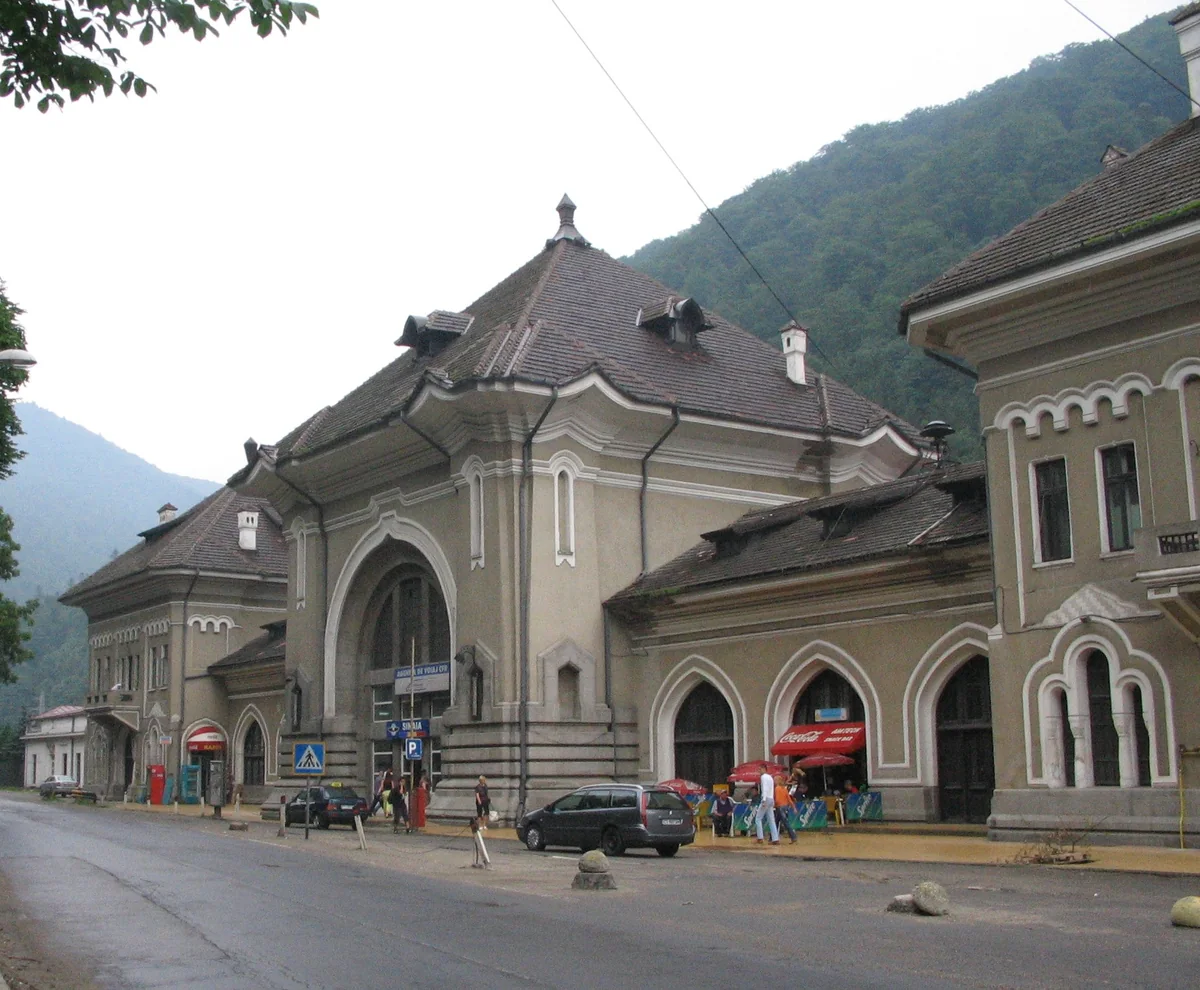
Leave the station and orient yourself
Sinaia’s station is on the lower side of the town. The castle complex lies uphill, away from the central railway platform. First check the official museum location and the available pedestrian entrance. Do not use a straight line from a map as a reliable measure of walking effort.
Take a moment to secure your luggage. Rolling a full suitcase uphill on uneven pavements is not enjoyable, and there is no guarantee that every museum facility offers luggage storage.
Walking: what to expect
The journey normally takes you through central Sinaia and on towards the royal quarter. Expect town streets, a gradual climb in places and the final approach through the estate area. The precise route and access gate may change with works or operational restrictions.
Comfortable footwear is worthwhile in all seasons; after rain, shaded stone and steps can be slippery. In winter, add the possibility of ice. If anyone in your group has reduced mobility, the fact that the castle is “walkable” on a tourist map should not be treated as an accessibility guarantee.
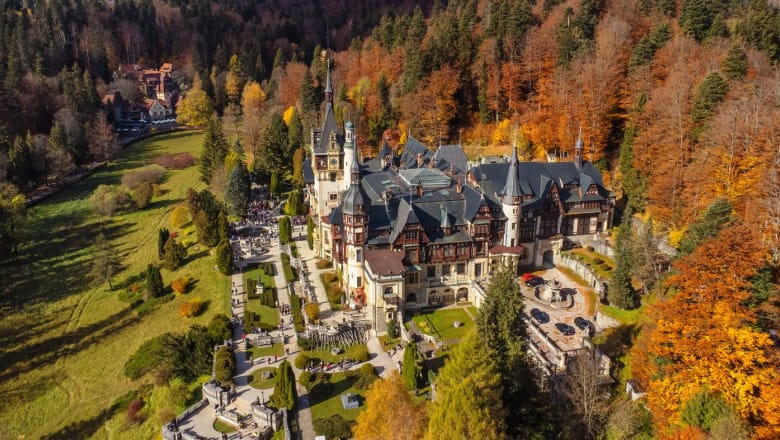
Taxi or local transport instead?
For families, heavy luggage or mobility concerns, ask about a licensed local taxi or current municipal transport route to the castle-side area. Agree the destination and estimated fare before you leave. Vehicles may be unable to drive to every part of the estate, so confirm the final pedestrian stretch.
The local bus operator publishes current town routes, but do not assume one route or stop number is unchanged for every season.
Check admission before making the climb
On 4 November 2026 the museum announces that Peleș Castle interiors are closed 2 November–1 December 2026 for preventive conservation. Do not travel from Bucharest specifically for an indoor visit during that interval without checking an updated official notice.
When the castle is open, use official ticket and visitor guidance; tickets and access conditions can change. You might still enjoy the wider architectural setting even when the interior route is unavailable, subject to site restrictions and weather.
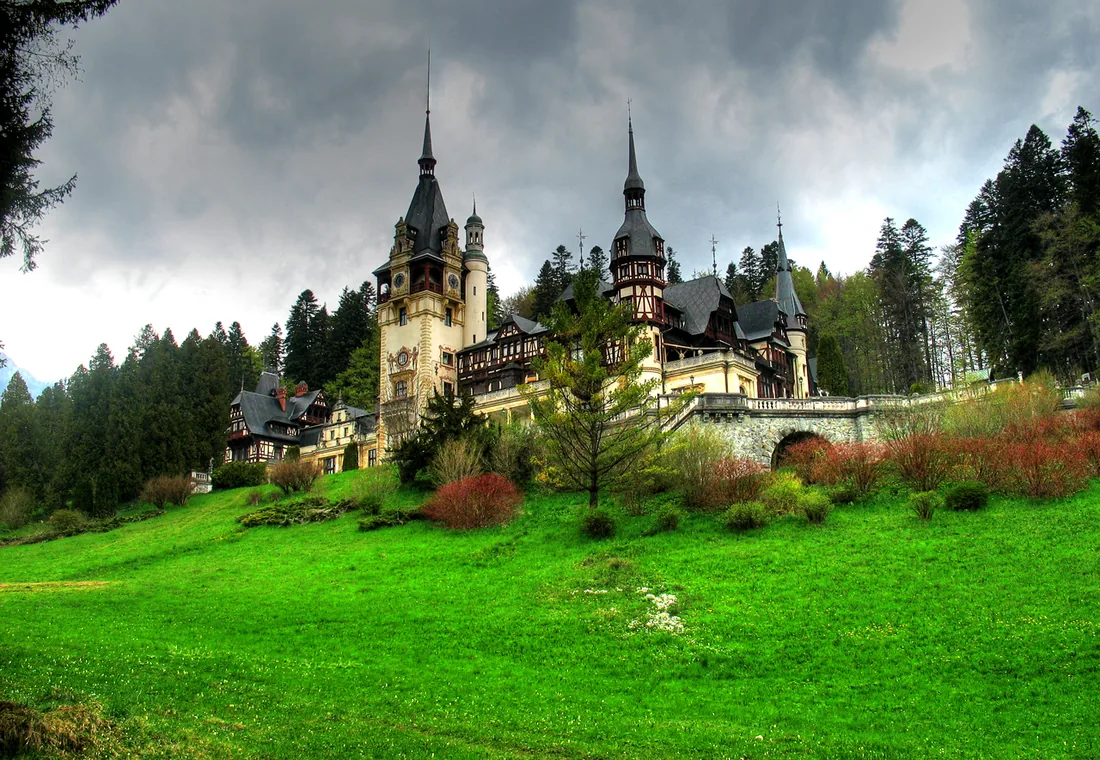
What to do after the castle area
Return towards town for lunch, consider Sinaia Monastery if access is appropriate, or continue a relaxed architecture walk. Avoid immediately adding Cota 2000 to the same day without a separate lift-operation check and enough time for the return train.
Why the short line on a map is misleading
A map can make the walk from Sinaia railway station to Peleș Castle look like a simple connection across town. In practice, the station is low on the valley side and the royal estate is uphill. The route involves streets, pavements and a final pedestrian approach; the effort depends on the path chosen, the weather and how much luggage you carry. There is no reason to pretend the climb is identical for everyone.
Start by finding the official visitor entrance and checking whether temporary access restrictions apply. A route that leads to the edge of the grounds may not be the correct entrance for a ticketed museum visit. If you have a timed entry, leave additional margin for the uphill approach and any queue at the entrance. Trying to calculate the walk only from a straight-line map distance risks arriving late.
Comfortable shoes matter even in summer. Stone steps, shaded paths and steep pavements can become slippery after rain. In winter, ice can make the same route much more challenging. For travellers with limited mobility, ask the museum and transport services about suitable drop-off points instead of relying on a general “walkable” label.
With luggage, children or someone who walks slowly
The pleasant version of this visit begins without a heavy suitcase. If you are arriving for an overnight stay, consider checking into the hotel or arranging luggage storage with a provider before heading uphill. Do not assume the castle can hold large bags or that every café near the grounds offers secure storage. Confirm those arrangements directly.
With young children, leave time for breaks and be realistic about the final ascent. A stroller may be awkward on some gradients and surfaces, while a very young child may be tired before the museum visit begins. Choose a shorter plan if the weather is poor. The quality of a family day is rarely improved by forcing every stop into a fixed schedule.
Visitors with mobility limitations should ask specific questions: can a licensed taxi reach the relevant drop-off point, where is the nearest accessible entrance, are there stairs between the entrance and tour rooms, and what assistance is available? Access arrangements at a historic building may differ from the smooth path implied by a map.
Peleș admission must be checked before travelling
The National Peleș Museum has announced a preventive-conservation closure of Peleș Castle from 2 November through 1 December 2026. That is not a minor timetable adjustment: if your aim is the interior tour during that interval, do not make the uphill journey on the assumption that the rooms will be open. Check the museum’s current notices for any later changes or special arrangements.
When open, Peleș uses its own ticketing and visitor rules. An admission ticket may refer to a particular interval, and the operator’s announcement notes that some scheduled tickets cannot be reprogrammed. Read the ticket conditions before paying. Do not rely on third-party sellers or a general tourist article to confirm the current entry arrangements.
Seeing the exterior and exploring nearby public areas can still be meaningful, subject to the grounds’ access rules and weather. That is a different experience from an interior visit and should be described honestly. If you have only one day in Sinaia during a museum closure, build your itinerary around genuinely available attractions.
Sinaia Monastery and the royal-quarter route
The uphill part of Sinaia includes several historic landmarks. Depending on access, Sinaia Monastery can be a natural cultural stop on a town-based day, and the approach to the royal estate offers changing views of the architecture and surrounding forest. But this is a place where people live, worship and work, not an unrestricted film set. Respect religious services, signage and any restrictions on photography.
Do not assume that every doorway, exhibition area or private garden in the royal quarter is open to tourists. Follow official museum information for the castles and use public pedestrian routes. If a particular area is closed, avoid detours through private property simply to reach a viewpoint. The shortest apparent path is not always the permitted one.
For a relaxed visit, choose either a proper museum tour or a longer town walk with a meal, rather than racing to a mountain gondola straight after the climb. Cable transport has different stations and weather dependencies. The Sinaia cable-car guide is useful if you want to reserve a separate part of the day for the mountain.
Remember the descent and your return train
Many visitors plan the climb but forget the return journey. Walking downhill may be quicker in dry conditions, yet wet or icy paving can make it uncomfortable. Give yourself enough time to return to Sinaia station without running, particularly when a train ticket is valid for a fixed departure. A coffee stop is enjoyable only when it fits the return timetable.
Look for a licensed taxi or an operating local bus if you no longer want to walk. The exact pickup point near the museum grounds can differ from the place where a driver may legally stop, so clarify it before calling a car. If you rely on public transport, check the most recent local timetable rather than assuming a bus appears every few minutes.
At the station, allow time for the right platform and carriage. The Brașov-bound service and the Bucharest-bound service travel in opposite directions, and several train operators use this corridor. Match the train number and departure time. If the museum visit was delayed, review your ticket’s change conditions before selecting another service.
What if the weather turns during the walk?
Light rain is manageable with a proper jacket, but persistent rain and poor visibility can remove much of the pleasure of a long uphill sightseeing plan. Slippery paths, wet steps and cold wind are particular concerns for small children or people who need more time to walk. Changing the plan is not a failure; it is often the practical choice.
Sinaia has places to eat and cultural options, but their opening arrangements are not identical. In particular, do not assume that the Casino is a walk-in museum with unrestricted public access on every day. Check current opening or event information first. The rainy-day guide distinguishes genuinely useful indoor ideas from outdoor attractions that still require dry conditions.
If you choose not to climb, spend time around the centre or the station area and leave the royal estate for another date. Visitors who arrived for the day can still enjoy the journey and town. A slower programme with one properly visited attraction is better than arriving at closed doors after an exhausting walk.
Sources and updates
Check the museum’s opening arrangements and the route from the station before travelling; pedestrian access may change.