
Prahova Valley in spring: walks and travel tips
Spring in Prahova Valley can feel like two seasons at once: mild days in the towns and snow lingering higher up. Choose your walks to suit the conditions and keep an indoor option in reserve.
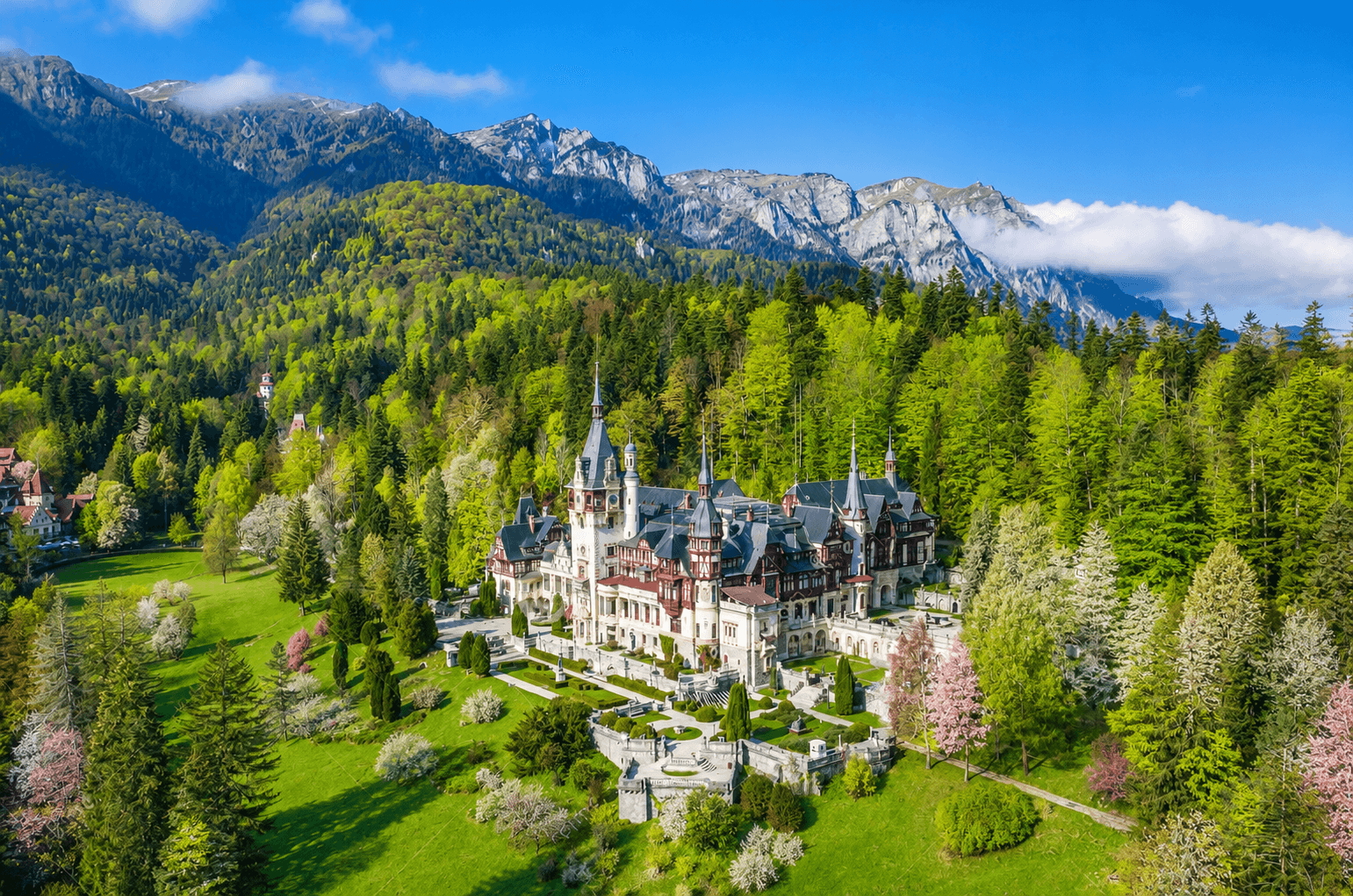
Spring arrives in the valley before it reaches the peaks
Spring in Prahova Valley is not a single date on a calendar. The towns begin to look green while the high Bucegi plateau may still be covered by snow. That contrast is part of the appeal: blossoms and fresh leaves around Sinaia or Breaza, with pale mountain ridges still visible on clear mornings. It also means that a route that feels welcoming at railway level can be icy or dangerous much higher up.
The Bucegi Natural Park’s official guidance notes that alpine snow usually melts completely around June. That is a useful corrective to travel articles promoting exposed mountain hikes from the first warm days of March. For most casual visitors in early spring, town heritage, lower woodland walks when open and day trips through the valleys are more realistic than crossing the plateau.
Spring works especially well for travellers who want fewer winter-sports crowds and more time to explore architecture and countryside. Weather remains unsettled, so a good itinerary offers alternatives for rain or fog rather than depending on one panoramic cable-car view every day.
Sinaia’s royal quarter and first green spaces
Sinaia has a natural spring rhythm. The central park becomes more inviting for a slow walk, the streets around the monastery feel less wintry, and the forested slopes begin changing colour. It is an attractive time to see the town’s architectural side without needing a long mountain hike. Allow enough time to climb from the railway station towards the royal estate, especially if rain has made the pavements slippery.
Peleș Castle is one of the best-known reasons to visit, but always use the museum’s official booking and announcement pages. Access to the castle, Pelișor and other parts of the complex is not one unrestricted ticket. Museum closures and exhibition arrangements can change, so do not build a trip around an old timetable. The surrounding landscape is rewarding, but it does not automatically permit entry into private gardens.
If you want to add mountain transport, identify the exact lift and its current operation. Spring can involve maintenance or wind restrictions. A ride towards Cota 1400 or Cota 2000 is a separate outing from a castle tour, with colder conditions at the top and a return journey that needs planning.
Bușteni in the changing forest
Bușteni is particularly dramatic when cloud moves between the Bucegi cliffs while the lower valley turns green. Cantacuzino Castle is a good cultural anchor for the day, with the estate standing above town on the Zamora side. The castle offers different tickets for the park, interior and gallery; check current tour arrangements rather than expecting every attraction to be included automatically.
The wooded approaches around Bușteni can be pleasant after the snow has gone, but muddy ground and wet roots remain a concern. Urlătoarea Waterfall may appeal to confident walkers in suitable conditions. Do not treat it as a guaranteed easy excursion after heavy rain: the path can be slippery, and route restrictions should be respected.
The higher Jepii trails are different. Their steep ascent and seasonal hazards make them unsuitable as casual spring walks, even when the town below is warm. A responsible visitor checks snow, trail status and forecast before beginning a serious hike rather than relying on a photograph taken later in summer.
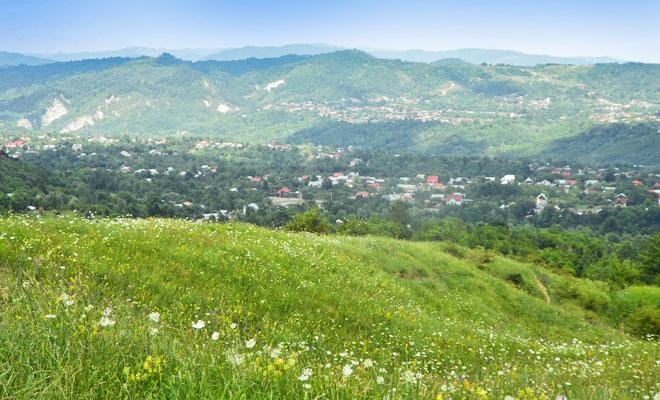
Azuga between snow season and summer views
Azuga changes character as the ski season ends. The Sorica area gradually loses its winter appearance, and the surrounding Baiului ridges become greener. There may be periods when a lift is closed for maintenance or transitioning between seasons. Check the Azuga Resort operator’s current programme before making a sightseeing ride the centre of the itinerary.
The Rhein wine-cellar complex gives Azuga an appealing alternative to mountain weather. Its historic buildings offer a different perspective on the town’s development and, by reservation, a guided tour. This works particularly well on a damp spring afternoon when higher trails are unsuitable. A cellar tasting and restaurant visit have separate arrangements, so make the booking clearly.
Azuga’s railway station also connects it to neighbouring towns on services that stop there. A car-free visitor can stay in Sinaia or Bușteni and plan a deliberate Azuga excursion. Check the final distance between the station, the cellars and any gondola terminal; they are not one compact attraction.
Predeal and the forest below the mountains
Predeal sits higher than the other main resorts and may hold onto winter conditions longer. The forest is attractive as the season changes, but the earliest spring weeks can involve patches of snow, ice and wet ground. Choose only paths whose current status, length and surface suit your group. A quiet forest road is not automatically a maintained walking promenade.
For a family, a moderate town walk followed by a café or meal can be a better first experience than a demanding ascent. Children may enjoy the changing landscape, streams and the sight of the last snow from safe places. Keep footwear dry and give yourself a simple return plan. A path that becomes muddy halfway through the outing can be far more tiring than expected.
Predeal is convenient for travellers coming from Brașov and continuing towards Azuga or Sinaia. The railway helps connect the towns, but not every train serves every station. Check the actual stopping pattern before arranging an excursion around a fixed museum booking.
Valea Doftanei, Breaza and the gentler countryside
Spring is an excellent season to discover places beyond the main resort strip. In Valea Doftanei, wooded hills and the Paltinu reservoir provide a different kind of landscape. A road trip through Teșila or Trăisteni can combine scenery with a quiet meal in the countryside. The reservoir is working water infrastructure, so respect restricted areas and do not assume informal swimming or boating is permitted.
Breaza offers gentler hills, residential streets and local heritage rather than dramatic alpine scenery. It can suit a relaxed weekend or a stop on a longer Prahova trip. Some older routes lead towards viewpoints or pine groves, but check the full walking distance; an attractive local path can still require several kilometres and a considerable climb.
Comarnic and Posada offer other alternatives near the southern approach. The Posada hunting museum is an indoor option worth checking against its current timetable, while Schitul Lespezi provides a very different heritage stop when access is permitted. These destinations work best with road transport and a deliberate plan, not as last-minute detours from a train platform.
How to choose a spring walk safely
The most important spring hiking rule is to match the route to the actual conditions. A lower forest trail can be muddy but manageable, while a high route remains under snow. Consult Bucegi Natural Park and Salvamont guidance instead of judging only from a town weather forecast. A sunny afternoon in Bușteni does not guarantee safe passage on the plateau.
Use marked paths and know the colour and shape of the trail symbol. In Romania, a blue stripe and a blue triangle identify different routes, which can lead to different mountain areas. Carry suitable footwear, a warm layer, water and an offline map. Set a turnaround time that allows a full descent before darkness.
Do not feed or approach wildlife. Bears are present in the Carpathian mountain forests, including the Bucegi area. Travel in a group when practical, keep dogs controlled and remove food waste. Spring wildlife activity is another reason to remain attentive rather than treating the forest as an empty recreational park.

Packing for four seasons in one weekend
Spring temperatures can change rapidly with altitude and cloud cover. A town walk in sunlight may be comfortable in a light jacket, while a shaded forest path or high lift station requires much more insulation. Layered clothing works better than one heavy coat you cannot adjust. Bring a waterproof layer, warm socks and footwear suited to wet pavements.
Rain is common enough that every itinerary should include a credible indoor alternative. Cantacuzino Castle in Bușteni and museums in Sinaia or Posada are options, but their opening schedules differ. Do not promise a visitor that every museum is available daily. In particular, check whether a venue has reserved tours, special events or conservation closures.
For drivers, pay attention to shaded roads and sudden fog. For train travellers, save your ticket and hotel details offline in case the weather changes the day. The ability to switch between two nearby towns without changing accommodation can be a real advantage on a spring holiday.
Spring breaks with children
Families often enjoy the first warmer days simply by spending time outside. A park walk in Sinaia, a castle visit in Bușteni and a calm meal can make a complete day without any serious hike. Young children are happier with a plan that allows naps and unexpected weather changes than with a timetable designed to visit every resort by evening.
If you choose a forest path, find out whether a stroller is realistic. Roots, steps, wet leaves and slopes can make even a short trail unsuitable for ordinary wheels. Keep a dry change of clothing in the car or hotel and carry snacks and water. A tired child who has been out in rain does not need another uphill kilometre to reach a photograph.
Accommodation with easy access to food, a warm indoor space and parking or railway access may offer better family value than a remote property with a panoramic view. Our young-family guide helps compare those practical details.
A spring weekend without a rushed schedule
Start with one resort base. Sinaia is convenient for cultural visits and rail access, while Bușteni suits travellers focused on Cantacuzino Castle and views towards Caraiman. If you prefer gentler countryside, a stay in Breaza or Valea Doftanei may be rewarding. Choose by the experience you want, not by the number of resort names you can collect.
On day one, enjoy the town and a confirmed indoor attraction if the weather is uncertain. Day two can include a lower-level forest walk in suitable conditions, a train trip to another resort or a road excursion into the countryside. Keep higher lifts as weather-dependent extras rather than essential connections for getting home.
Spring is especially rewarding when you leave room for the landscape to change during the day. The forest may be beautiful even without an alpine hike, and a café stop after rain can feel as memorable as a grand viewpoint. Let the actual conditions shape the programme, while using official guidance for anything beyond easy town walking.