
Valea Doftanei travel guide: Paltinu Lake and the villages
The road into Valea Doftanei takes you past Paltinu Lake and the Doftana Gorge towards Teșila and Trăisteni. It is a lovely area to explore at an unhurried pace, with time to stop and enjoy the scenery.
Not another resort town
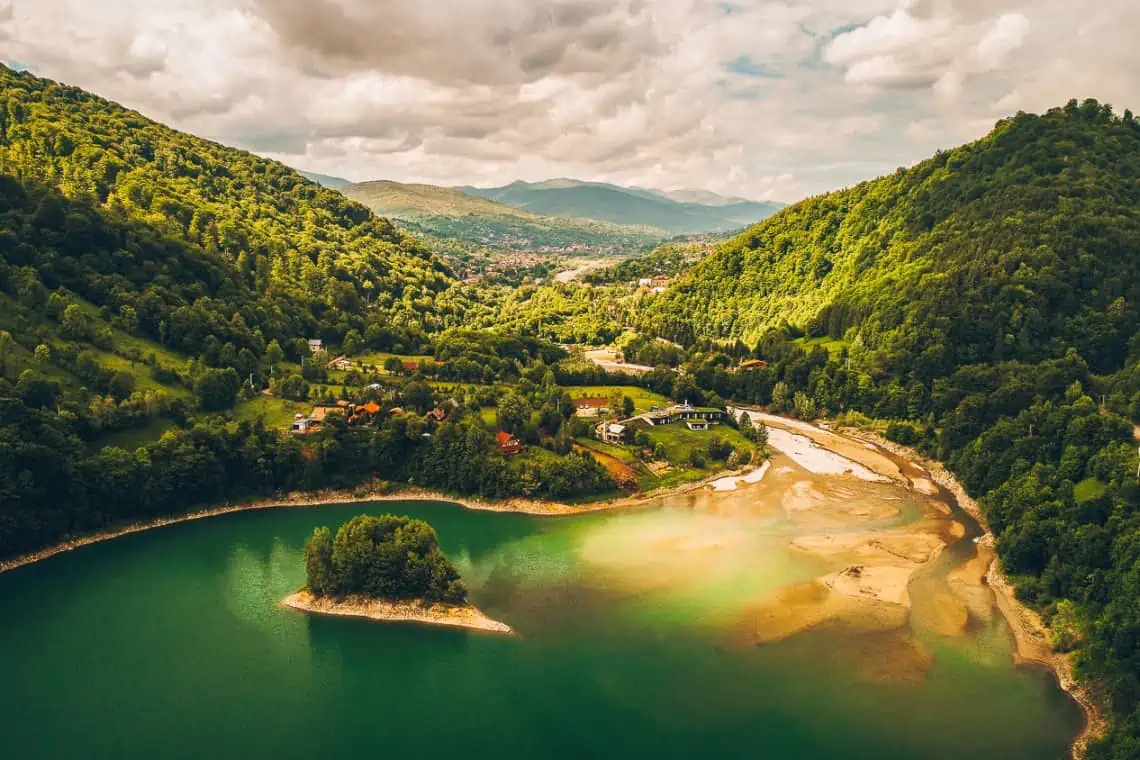
Valea Doftanei feels quite different from Sinaia or Bușteni. The attraction is the landscape itself: wooded slopes, settlements along the valley, views towards Paltinu reservoir and a slower rhythm away from the principal DN1 tourist strip.
It works well for travellers who have already visited the royal castles or want a gentler countryside outing. This is not the easiest choice for a spontaneous rail-only day: unlike the main resorts, the valley does not lie on the Bucharest–Brașov railway line.
Paltinu Lake and dam
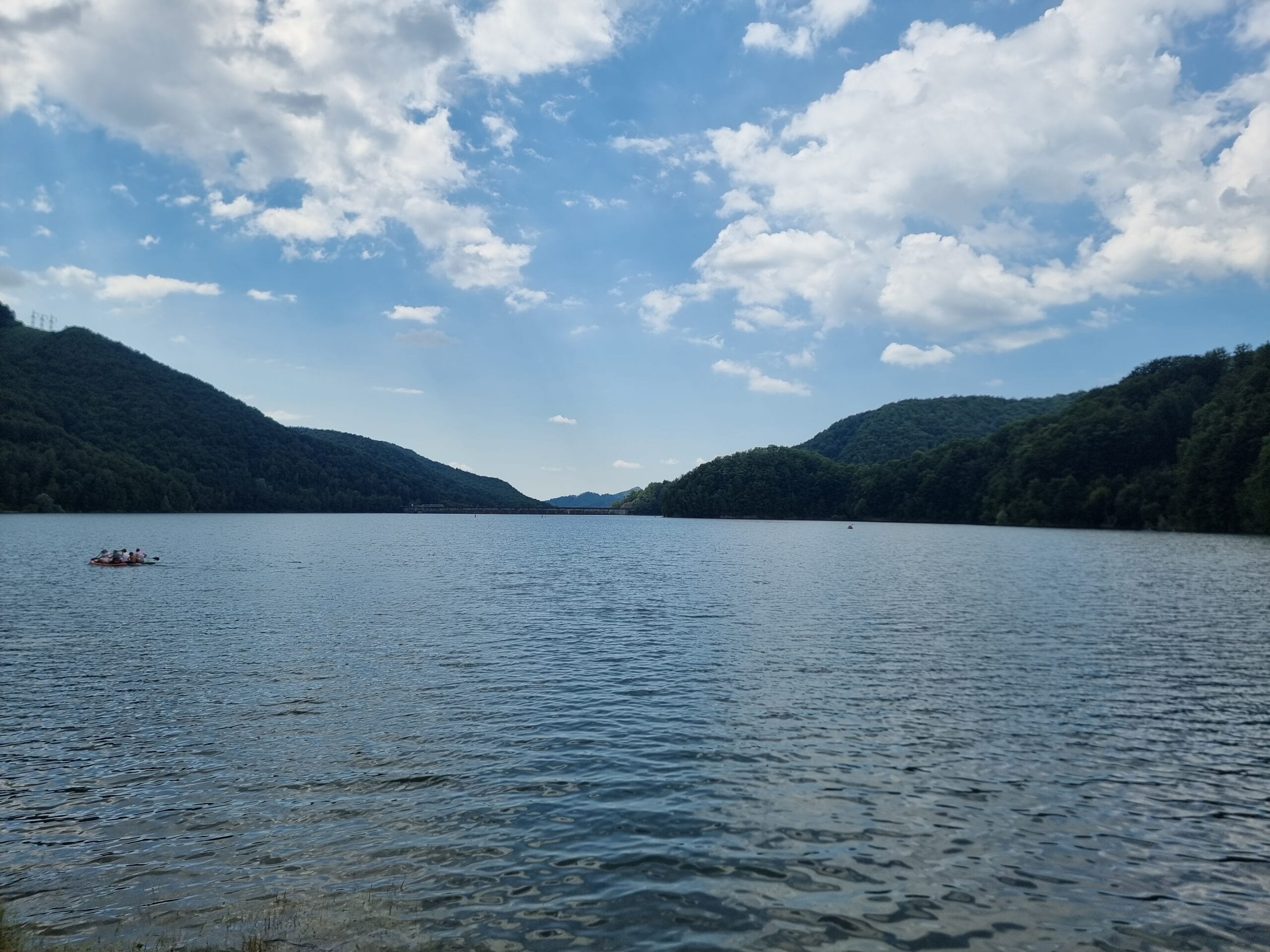
The reservoir behind Paltinu Dam is one of the region’s best-known viewpoints. The municipality describes a roughly three-kilometre reservoir supplying drinking water. The landscape is particularly attractive when the light catches the slopes around the lake.
There is an important distinction between viewing a reservoir and treating it as an unrestricted bathing or boating lake. Follow access signs, protected-area restrictions and water-management rules. Do not park on dam infrastructure or enter closed sectors to get a photograph.
Our forthcoming Paltinu Lake guide will focus on viewpoints, roads and safe stops.
Doftana Gorge and the approach road
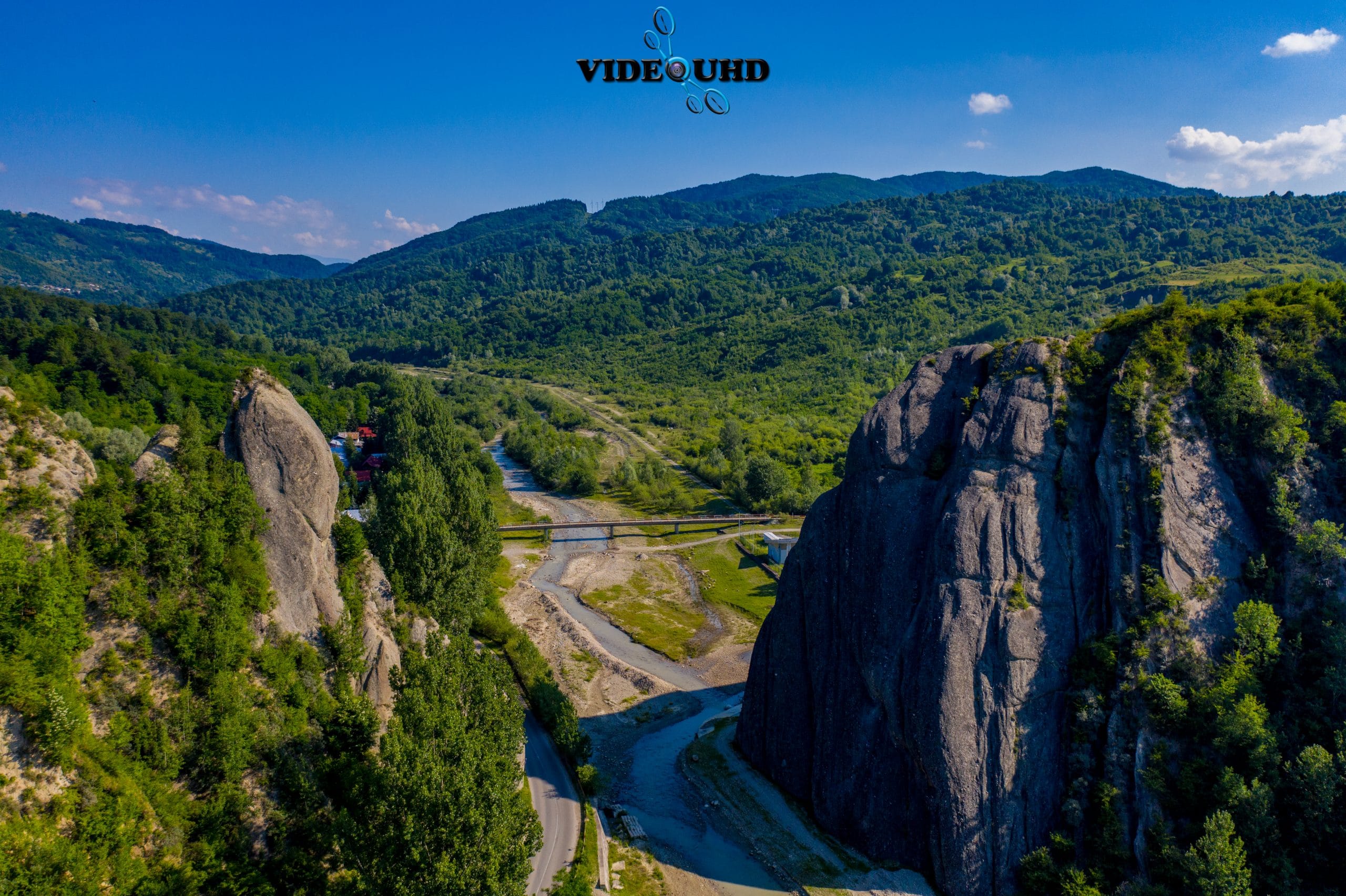
Cheile Doftanei is a gorge cut into hard rock, on the road approaching the valley from Câmpina. It is a natural feature along the route rather than a commercial attraction with guaranteed visitor facilities.
Keep your driving speed down and do not stop where the road is narrow or visibility is poor. Rain, frost and mountain-weather events can affect road conditions. Allow enough time to return in daylight, especially outside summer.
Teșila and Trăisteni
Teșila and Trăisteni are useful names to understand when planning the valley. They are communities rather than ticketed tourist attractions, so be considerate around homes and small roads. Local guesthouses and food stops can form part of a relaxed day.
Ask accommodation providers about current road access and where to park. If you want to hike beyond the settled valley, check route details and protected-area advice separately; a short drive into the countryside is not the same as a prepared mountain hike.
A realistic day out
- Start from Câmpina and take the established access road towards Valea Doftanei.
- Make a safe stop where the Doftana gorge can be viewed without obstructing traffic.
- Continue to the Paltinu lake area for the landscape, respecting any access restrictions.
- Have lunch or a pre-arranged local experience in the valley.
- Return without racing the light or assuming the last section of road is free of traffic or works.
For a broader holiday, connect this with a three-day Prahova Valley itinerary. If you are choosing a hotel, do not confuse this rural detour with an overnight base in Sinaia town.
How to reach Valea Doftanei without mixing it up with the resorts
The easiest mistake is to see “Prahova” in the address and assume that Valea Doftanei lies along the same straightforward railway corridor as Sinaia and Bușteni. It does not. The settlements of Teșila and Trăisteni are in the Doftana valley, reached through the Câmpina area, away from the main DN1 mountain resort axis. For visitors based in Bucharest, that means planning a separate road journey rather than hopping off a Brașov-bound train at the nearest resort station.
A car or prearranged driver is the practical choice for seeing the lake, gorge and villages in one outing. Public transport options may exist on particular days, but routes and frequencies must be confirmed locally; they should not be presented as a simple tourist shuttle. If you do not drive, ask your accommodation or a licensed transport provider for a realistic quote before choosing the area as a base.
Driving north from Câmpina introduces a different landscape from the resort strip. Forests, scattered houses and winding roads replace the sequence of busy DN1 stations. Use a current map for the route and check for local works or restrictions. The council and commune websites describe the area as a distinct destination, not as an extension of the Sinaia ski infrastructure.
If your goal is only a few hours beside the lake, allow more travel time than the straight-line distance suggests. A scenic rural road can be slow in poor weather. Save the route before leaving, especially if you intend to continue into smaller valleys where phone reception and services may be limited.
Paltinu Lake: views rather than a guaranteed beach day
Paltinu is a reservoir, created for water management, not an ordinary holiday lake with public swimming facilities around every shore. The commune’s tourism page identifies the lake and dam among its principal attractions and describes an elongated body of water in a wooded valley. The changing light and colour of the water make it rewarding for photography, particularly when the forested banks contrast with the mountains farther away.
Choose a safe, authorised viewpoint and remember that reservoir margins can include steep banks, access restrictions and infrastructure where visitors should not enter. Do not climb barriers for a photograph or assume that an apparently accessible shore is suitable for swimming, launching a boat or fishing. Those activities can be regulated and may require local permission or a designated access point.
A calm visit often consists of enjoying the viewpoints, photographing the lake and stopping for a meal in the surrounding settlements. Bring water and suitable shoes for uneven roadside paths. If you are visiting with children, keep them close near the water and avoid precarious places above the banks.
For a route focused specifically on the reservoir, our Paltinu Lake guide covers the site without turning every nearby attraction into a single crowded day. Check road and weather conditions before travelling, especially after heavy rain or during winter freezing periods.
The gorge deserves a separate stop
Cheile Doftanei is a rocky passage cut through hard conglomerates on the approach through the valley. The municipality describes it as a local natural attraction near the road from Câmpina, a few kilometres from the lake area. It is an interesting contrast to the wooded shores: a tighter landscape where geology shapes the route and the scenery.
Do not confuse a roadside view of the gorge with a maintained pedestrian trail through every section. Where there are narrow roads, moving vehicles and little stopping space, safety comes before photography. Use recognised pull-offs, park without obstructing traffic and remain out of the carriageway. After rain or in freezing weather, rock, banks and walking surfaces can be slippery.
Because the gorge is on the same general approach as the lake, it makes sense to visit them as a pair when conditions and access allow. You do not need a long hike to appreciate the area. This is particularly useful for travellers who want a countryside day but do not have the equipment or fitness for an exposed Bucegi route.
Travel writing sometimes overstates how close and easy every sight is. Keep the distinction between a viewpoint, a road stop and an actual marked hike. If you plan to go beyond the immediate gorge, consult a local map and current guidance rather than improvising from a photograph.
Teșila and Trăisteni: why the villages matter
Valea Doftanei comprises the villages of Teșila and Trăisteni. Their appeal is different from a polished mountain resort: houses, working countryside, food traditions and the slower rhythm of a valley where people live year-round. Drive respectfully through the settlements, give way on narrow sections and avoid using private yards as photo locations.
Local food is part of the experience. Look for a genuine meal prepared in the area and ask about its ingredients rather than expecting every venue to serve an identical “traditional platter”. The commune has rural accommodation and food businesses, but opening hours and availability can be highly seasonal. Calling ahead is often useful if your visit falls on a weekday or outside a holiday period.
Trăisteni is also associated with older local heritage, including church ruins mentioned on the commune’s tourism listing. Such sites may not have a staffed visitor desk, a large car park or interpretive signs in English. Approach them with the same care you would use around any historic structure: do not enter unstable areas or remove material from the site.
An overnight stay here makes more sense for visitors who seek peace, rural scenery and time outdoors than for someone intending to visit Sinaia’s royal attractions every morning. Choose this valley for what it is, not because a search engine groups it under the broad Prahova destination name.
Further into the countryside: forests and walking routes
The commune and regional tourism sources refer to walking possibilities in the surrounding Baiului mountains and to the Glodeasa forest reserve. Those are separate activities requiring more preparation than a lake viewpoint. A marked mountain route has its own distance, ascent, marking and seasonal risks. Do not treat an old tourism description as a guarantee that every path is currently passable.
For a first visit, a short walk on an established, clearly marked local route is enough. Carry water and a charged phone; let someone know your intended return time and avoid changing route late in the day. Wildlife lives in these hills, so do not feed animals or leave picnic waste. In a mountain emergency, call 112 and follow the advice of local rescue services.
Mountain biking is another possibility in the wider region, but some routes can be demanding. Check surfaces, traffic, elevation and whether cycling is permitted in protected or restricted areas. An enjoyable rural cycling day is not the same as a technical descent requiring specialist equipment.
Many visitors will be happiest without adding a serious sport to the schedule. A quiet drive with stops at the lake, gorge and one village can be memorable when done without rushing. It also leaves more room for changing weather and spontaneous local discoveries.
When to go and what to bring
Summer is appealing for long days and green forests, but weekend traffic, warm afternoons and occasional storms can make timing important. Autumn offers warm colours around the reservoir and cooler walking conditions, with less daylight as the season advances. Spring can be beautiful after the snow retreats, though rain and changing road conditions call for flexibility.
Winter needs a different approach. Rural roads and shaded sections can become icy, while paths above the valley may remain snow-covered. Do not plan a remote chalet stay without confirming access and parking with the host. A vehicle suitable for ordinary summer roads may not be appropriate for an unploughed winter approach.
Bring cash for small purchases, water, weather-appropriate layers and an offline route. Fuel, restaurants and services may be farther apart than in Sinaia’s centre. If you have a particular dining stop in mind, check that it is actually operating on your chosen date. An early start is often preferable to racing against sunset to return to Câmpina.
Valea Doftanei works best as a deliberate choice: less entertainment infrastructure, more landscape and more responsibility for your own transport planning. For an itinerary linking it with other places, see the three-day valley guide, but remember that the Doftana detour is a separate journey rather than a quick walk from a resort railway station.
Source notes
Check local opening hours and road conditions before travelling, particularly outside the summer season.