
Cota 2000 Sinaia for Non-Skiers: Views, Lifts and Practical Advice
You can enjoy the scenery around Cota 2000 without skiing, provided the lifts are running and the weather is suitable. Check your route, ticket and return journey before heading up.
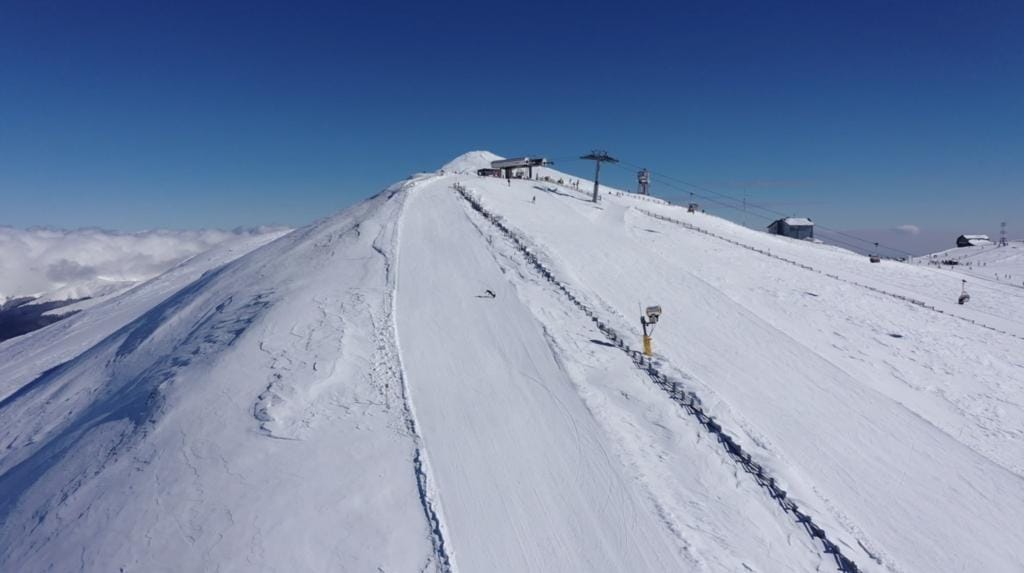
What Cota 2000 is like without skis
Sinaia’s mountain transport reaches an open, high-altitude landscape that feels very different from the streets around the railway station. At Cota 2000 the trees give way to broad slopes and long views across the Bucegi. On a clear day the change of scale is the attraction: the mountain feels immense even if you have no intention of hiking beyond the station.
Visitors without skis should approach this as a sightseeing trip, not an informal walk through a ski area. Snow-covered pistes, operating lifts, maintenance vehicles and exposed slopes can all be present. Stay where pedestrians are permitted and follow the operator’s signs. The fact that someone else is walking onto a snowy ridge is not evidence that it is safe for a visitor in ordinary trainers.
The upper station itself is not a promise of a café, a toilet, a sheltered route or a permanently open viewing platform. Facilities and permitted areas may vary with the season. Think about whether your party really wants the altitude, the cabin ride, or a comfortable place to admire the view. For some families, a shorter stop at Cota 1400 is the better experience.
Understand the lower stations before travelling
Sinaia has both cable cars, called telecabine, and gondolas, called telegondole. They have distinct boarding locations and operational arrangements. The gondola departs from the Aleea Telegondolei area at Cota 1000, while the central cable-car access is elsewhere in town. Both systems involve intermediate access at Cota 1400, but you should not assume that every cabin is currently running or that an interchange always works in the manner shown on an old resort map.
Transport Urban Sinaia’s published winter information has, in some periods, directed visitors to the central cable car while the lower gondola underwent technical revision. This is a time-specific operational instruction, not a permanent rule. Before leaving your hotel, check the operator’s current installation report and identify the lower station you actually need. A taxi to the wrong terminal is avoidable.
From Sinaia railway station, the mountain lifts are not immediately outside the platform. The town has uphill streets. Local bus routes T3, T4 and related services have been used for gondola access, but confirm the current route and timetable for your day. With children or a person who needs assistance, arrange the final approach in advance.
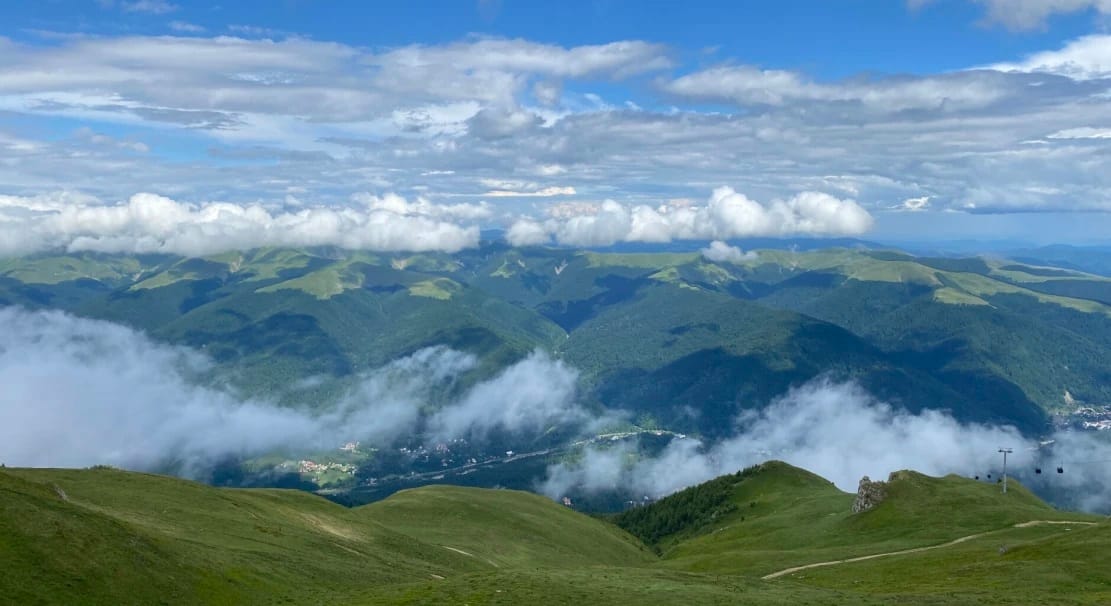
Buying the right pedestrian ticket
A skier wanting unlimited lift access and a visitor wanting a return ride to Cota 2000 do not need the same product. The operator’s tariff pages include ski passes, point-based cards and individual lift journeys. Read the exact validity of the ticket you buy, including whether it covers one section, both mountain sections, a return descent and a change between gondola and cable car.
The online winter tariff table is explicitly labelled for the 2025–2026 season. It is useful for understanding ticket categories but should not be treated as a binding quotation for a different season. Ask the ticket office about the current pedestrian return fare and whether your selected route is operating. Buying a day ski pass to take a single panoramic ride can be an expensive mistake.
Check child categories and the need to prove age. For a family, multiply the full set of journeys, not just the fare for the first lower segment. If you have a fixed train home, include the cost and time of reaching the lower station from town as well. An attractive headline price is of little use when you have not accounted for the descent.
When wind changes the plan
Wind is one of the most important factors at Cota 2000. A sunny view from Sinaia does not confirm that the upper sections can operate safely; exposed terrain can be much colder and windier than the town. Low clouds can remove the panorama entirely. Mountain transport may be stopped by technical revision or other operational reasons even when the weather looks encouraging.
Check the operator’s own live installation information shortly before setting off, then look at the mountain forecast rather than only the town temperature. A broad regional weather symbol cannot tell you whether a specific lift will open. If you are visiting from Bucharest for a few hours, keep a town-based alternative in mind so that a cancelled upper ride does not spoil the whole journey.
Dress for colder conditions than you expect at the railway station. Wear grippy footwear, a wind-resistant layer and suitable head protection in cold weather. Carry water, a charged phone and enough daylight to return. Avoid venturing beyond pedestrian areas simply because the cabin has delivered you to a dramatic landscape.
A high-mountain visit with children or reduced mobility
For a family, the journey can be memorable without a long walk at the top. Watching the forest fall away below the cabin and seeing the mountain open up are enjoyable in their own right. Keep expectations realistic for very young children: queues, changing pressure, cold air and waiting for a descent can be tiring. A shorter outing with a warm meal in town afterwards may suit them better than a full day exposed to wind.
Accessibility needs to be checked for the exact installation. Transport Urban Sinaia has published information about gondola facilities, assistance and the accessibility of its cable transport. However, a usable cabin does not automatically prove that every transfer platform, high-altitude path or toilet is step-free. Contact the operator with specific questions about the date, lift, mobility equipment and assistance required.
If your group includes a stroller or wheelchair, ask whether the cabin can safely accommodate it and where you can move once you arrive. Do not plan a long plateau walk based only on the word “accessible” beside a ticket counter. A comfortable, realistic itinerary is more valuable than reaching a particular elevation at any cost.
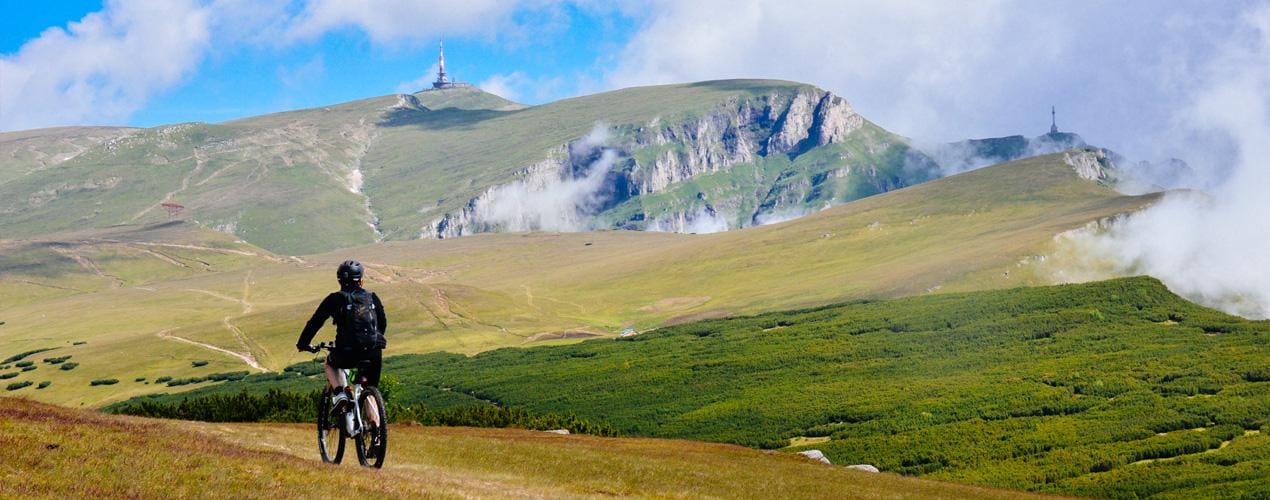
What to do when the upper section is closed
There is no benefit in spending hours in a queue for a lift that is officially suspended. If the upper section cannot operate, ask whether a lower mountain ride is available and whether its scenery suits your expectations. Otherwise, return to central Sinaia and enjoy an attraction independent of the wind. Town walks, the monastery and cafés offer a very different experience, but they remain worth considering on a changeable mountain day.
Peleș Castle is a popular cultural alternative when open, yet it has its own admission timetable and occasional announced closures. Check the National Peleș Museum before adding it to a revised itinerary. The Sinaia Casino is also a historic building whose public access depends on its programme; do not assume that every room can be toured whenever rain begins.
For a train-based visit, keep the return journey simple. Choose an alternative near your route back to the station, not an attraction requiring another long uphill transfer. Our rainy-day guide is useful for that decision, while the rail day trip explains the main town connections.
The descent matters more than another photograph
The final useful question before buying a ticket is: how do we come back down? Know the last descent time for each operating section and avoid depending on the final cabin. Queues, weather changes and technical interruptions are possible. A visitor who has reached the upper station should not improvise a high-mountain walking descent because the lift is no longer convenient.
There are marked mountain routes around Sinaia, but they are separate hiking undertakings with their own difficulty, length and seasonal risks. They are not a substitute for a missed cabin and should never be described as a casual walk back to the hotel. Check current route status with the park and mountain rescue services when planning an actual hike.
Keep your phone charged and your party together, particularly in poor visibility. If you are relying on a return train, allow time to reach the lower lift terminal, continue to the station and find the correct platform. One unhurried panoramic visit is a better result than rushing the last descent to fit in another viewpoint.
Official information and further reading
- Transport Urban Sinaia — installations and season tariffs
- Sinaia urban transport routes
- Sinaia cable transport accessibility
Schedules, access rules and tickets may change. Use the operator’s latest information before travelling.