
Things to do in Sinaia when it rains
Rain needn’t spoil a day in Sinaia. There are cafés, historic buildings and indoor places to explore, although it’s worth checking opening hours before you head out, especially while Peleș Castle is closed for conservation.
Choose the right kind of indoor day
Not all rain is the same, and not every “indoor attraction” is guaranteed to be open. Light drizzle can leave the centre of Sinaia pleasant for a short walk between cafés and historic buildings. Persistent rain, thunderstorms or icy sleet call for a much simpler plan: an attraction whose opening hours you have confirmed, a comfortable meal and a return journey that does not depend on mountain transport.
For a visitor who has travelled from Bucharest, the first thing to check is the rail timetable for going home. If your train is fixed, do not head across town towards an indoor venue you have not contacted. A cancelled castle visit can be disappointing, but a missed return train is worse. Choose two nearby options and keep one as a backup rather than trying to cover every famous building in one afternoon.
Weather forecasts may show a break in rain later in the day. Use that window for a short stroll around Dimitrie Ghica Park or a safe town viewpoint, not for an impulsive high-mountain hike. Cable cars can remain suspended by wind even after the rain stops; the operator’s live service bulletin matters more than a picture of sunshine on your phone.
When staying overnight, a slower rhythm is often an advantage. Move a cable-car plan to the next morning if the operator and weather permit, and enjoy an indoor afternoon without the pressure of squeezing every sightseeing goal into a single day.
What happens if Peleș Castle is closed?
Peleș is the obvious indoor choice in Sinaia when it is operating, but a closed museum cannot become an emergency rain plan. The National Peleș Museum announces that Peleș Castle is closed from 2 November through 1 December 2026 for general cleaning and preventive conservation. Pelișor’s separately announced conservation closure ended on 3 November 2026, but opening arrangements must still be checked directly.
At other times, tickets are issued for particular visit periods, and the museum’s schedule, capacity and admission conditions can change. Do not assume that turning up at the gate during rain guarantees an immediate tour. Verify tickets through the official channels and leave enough time for the uphill journey from the railway station.
The royal estate is picturesque in mist, but damp paths and steep approaches deserve proper footwear. An exterior photograph is a separate activity from entering the castle, and the grounds may have access conditions independent of interior visits. If the weather is severe, do not wander around the estate solely to fill a gap in the schedule.
Instead, build a town-based alternative from places that are truly open. Sinaia Monastery may be one possibility, subject to its own religious and visitor arrangements. Another is an indoor museum or cultural venue with confirmed public access. The lesson is simple: always check the operator rather than trusting a general list titled “top things to do in Sinaia”.
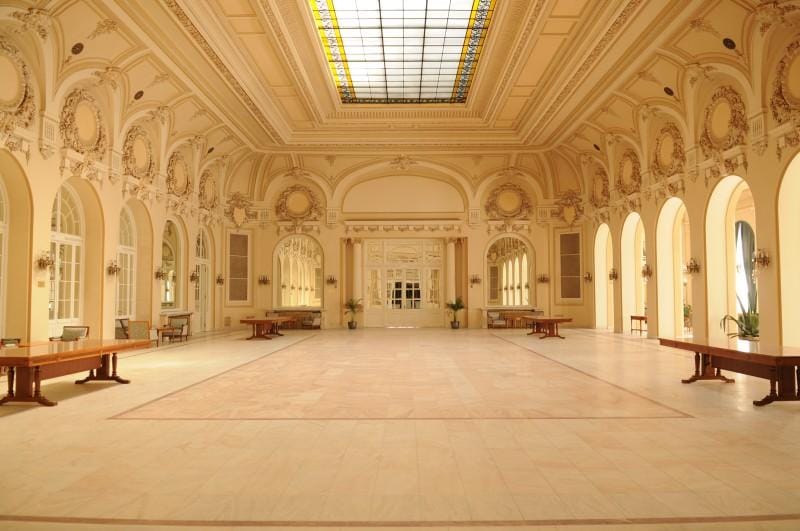
Sinaia Casino is not a walk-in museum on every day
The historic Casino building in Dimitrie Ghica Park is an important part of Sinaia’s architecture. Its elegant interiors and setting make it tempting to include on a rainy-day itinerary. But the venue functions with events and access rules; visitors should not assume that every hall can be toured at any time simply because the building appears in travel photographs.
Check the current visitor programme or contact the operator before travelling there specifically for an interior visit. When public access is possible, follow any photography or group-visit rules. When the interior is unavailable, you can still appreciate the facade from safe public areas if the rain is light, but that is no longer an indoor activity.
It can be combined naturally with a walk around the park and a nearby café, which keeps the day compact. This is preferable to crossing town repeatedly in wet weather between unrelated attractions. For travellers with children or reduced mobility, focus on accessible entrances and the shortest practical connections instead of assuming the old building has fully step-free access.
Our broader one-day Sinaia guide shows where the casino sits within a town itinerary, while this page concentrates on what remains realistic when outdoor plans are disrupted.
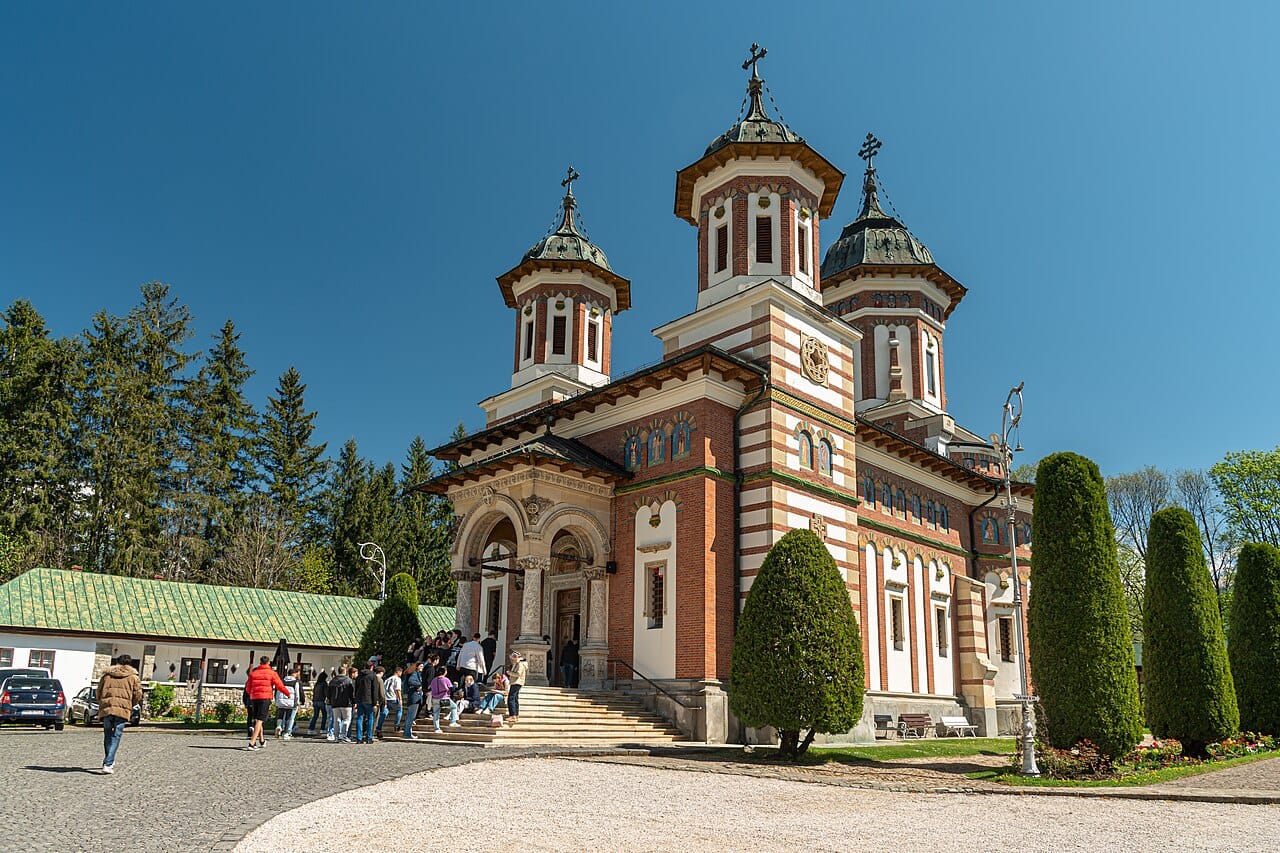
A quieter stop at Sinaia Monastery
Sinaia Monastery is both a spiritual site and part of the history of the town. A visit can fit into a gentle half-day, but it is not a replacement for all museum activities and should be approached respectfully. Religious services, visitor areas and photography restrictions may apply, and some spaces may be inaccessible at certain times. Check the monastery’s current guidance and avoid interrupting worship.
The route between the monastery and the centre involves walking outdoors, so bring a waterproof layer and shoes with good grip. Rain can make steps and old stone paths slippery. If your travel companion needs assistance, examine the actual access route rather than assuming the word “monastery” implies a level indoor attraction.
A visit here is particularly rewarding for someone interested in how Sinaia developed before it became a popular resort. The monastery’s presence shaped the town’s identity and name. Spend time looking at the architectural details rather than rushing only for a quick photograph under a covered entrance.
On a very wet day, choose a shorter route and stop for lunch nearby. If you are coming from the railway station with luggage, consider first leaving bags at your accommodation; moving around steep, slippery streets with suitcases can make even a short sightseeing plan unnecessarily difficult.
What works with children when the weather is poor?
Children often enjoy the idea of visiting a castle, but queues, cold rain and long indoor tours can wear them out. Choose an activity that matches their attention span and check whether the venue has space to leave a stroller, family toilets or a lift. Historic buildings may impose restrictions that are not obvious from their websites’ main promotional photographs.
For younger children, a relaxed meal, a short museum visit if available and a stop in a dry café may be enough. Do not force an entire afternoon inside one location merely because you have paid for admission. If the rain eases, a brief town walk can give everyone a change of pace before returning to the hotel.
For older children interested in history, divide the visit into questions: who lived in this building, what was it used for and how did the town grow? This turns a long sequence of rooms into something memorable without pretending every attraction is a theme park. Consider a hotel with suitable indoor facilities when booking a winter or rainy-season stay, but verify that any pool is included and that children are permitted at the hours you intend to use it.
A high-altitude gondola ride is not a safe default alternative to a rainy town day. Wind, lightning and visibility matter. See the lift guide for operating constraints and choose a different day if the weather is unfavourable.
Small practical details that save a wet day
Keep a waterproof jacket, shoes with grip and a small bag cover handy. An umbrella can help in the town centre but is less practical when wind becomes strong. If you are travelling by train, protect tickets and a charged phone in an inner pocket and check return services before starting a new attraction. A power bank is useful when you rely on digital tickets and maps.
Book flexible activities where possible. Severe weather is hard to forecast weeks in advance, and the museum’s cancellation rules are not always the same as a restaurant reservation. Read the specific terms before paying. If an attraction is closed, consider whether you can enjoy the town without spending more money rather than trying to replace every minute with another paid ticket.
When choosing accommodation, being close to the station and centre can matter more on a rainy visit than having a mountain view from a distant villa. Check the walking route for hills and steps. The station-area accommodation guide and four-town comparison can help you decide before the trip.
Finally, accept that a pleasant rainy-day visit may involve fewer stops. A memorable conversation over lunch, one properly enjoyed museum and a calm return train can be better than an exhausting checklist of places that were not open in the first place.
The Peleș Castle question
Peleș Castle is usually one of the first indoor attractions people think of in Sinaia. But on the date of this guide’s review it is closed from 2 November to 1 December 2026 for preventive conservation, according to the museum’s official announcement. Check the museum noticeboard for later dates.
Even when the castle reopens, indoor entry may be subject to specific time slots and ticket conditions. A rainy day is a poor time to assume you can simply turn up and walk in. The park and uphill paths can also be slippery.
Visit the Sinaia Town Museum
The Sinaia Town Museum occupies the Știrbey-Florescu residence, one of the town’s historic buildings. Its exhibits deal with local history, personalities and the town’s development—not only the royal castles.
Sinaia municipality lists opening hours and prices on its museum page, but verify those details before relying on them. The museum can be a good alternative when outdoor plans have collapsed, especially if you want context for the architecture you have been walking past.
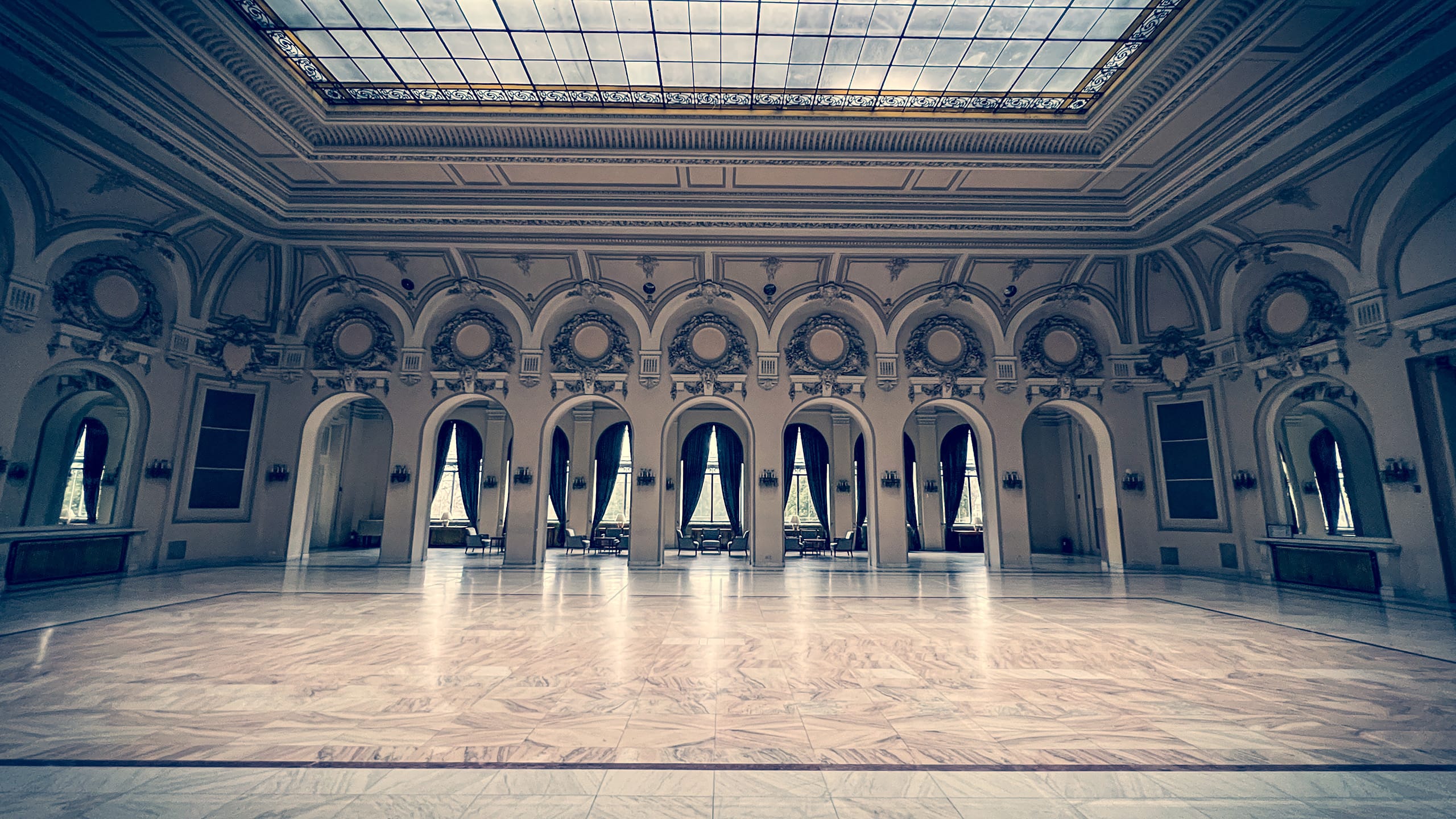
Sinaia Casino: admire the architecture, check access
The historic casino is one of the town’s most distinctive buildings. It is worth including in an architectural walk, but do not assume that every hall is open to casual drop-in visitors. Private events, exhibitions or tours may control access to the interior.
Check the current programme with the venue. If you cannot enter, enjoy the surrounding public space only when the weather and footing permit; otherwise keep the walk short and move on to a café or museum.
The monastery and a slower afternoon
Sinaia Monastery is an active religious site. A visit should respect services, quiet areas, appropriate dress and any restrictions on photography. Because this is a place of worship, it should not be treated as an all-weather attraction with fixed tourist admission guaranteed every hour.
If the rain is heavy, take a break in central town rather than crossing long uphill stretches without shelter. This is also a good moment to sample Romanian food—ask local restaurants about opening hours before walking across town in poor weather.
What to do with children
Build a short plan: one museum or cultural stop, lunch, and a flexible extra activity if the weather improves. Do not promise children a cable-car ride if the operator has suspended it due to wind or lightning. The higher you go, the more quickly conditions can change.
For a family stay, look for a hotel with an indoor pool or communal indoor space, while checking actual child-access and hotel-guest rules. A pool is not necessarily open to day visitors.
Source notes
Museum opening times can change, particularly during conservation work. Check the venue’s official notices before travelling.