
Bear safety in the Romanian Carpathians
Brown bears live in parts of the Carpathians, including the mountains around Prahova Valley. Keep your distance, never feed wildlife and follow local park advice to reduce the chance of an encounter.
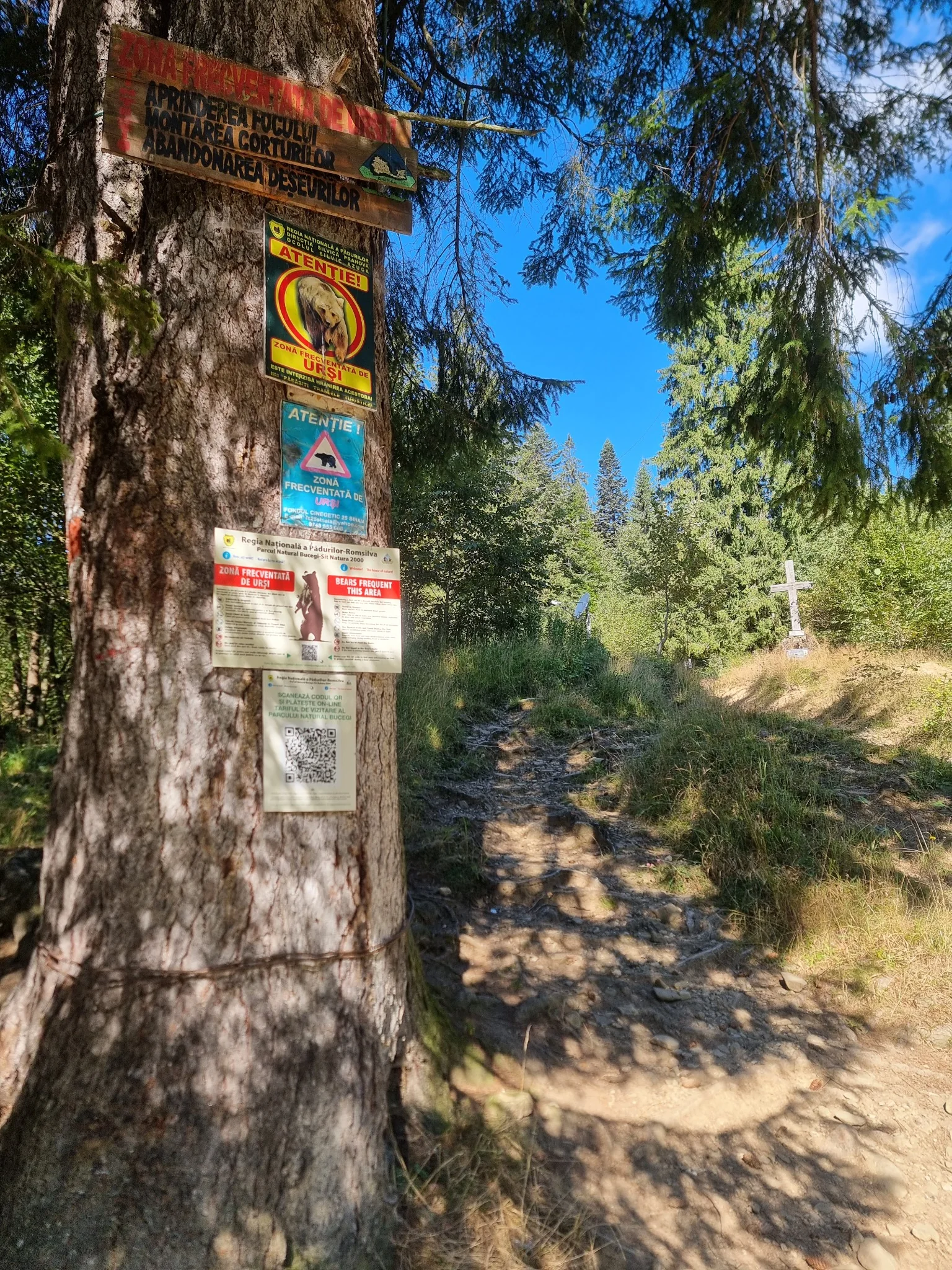
Bear safety in the Romanian Carpathians: preventing encounters
Use marked trails in daylight, travel with others where possible and make a normal amount of noise so animals are not surprised at close range. Keep food properly packed and never leave food scraps near a path, picnic stop or car.
Keep dogs under control on a leash. Dogs can provoke wildlife and run back towards their owners, bringing a bear with them. Follow the Bucegi Natural Park rules and local advice for the particular area.
When a bear is a long way off
Stay calm. Do not move towards it for a photograph and do not block its path. Give the animal space and retreat slowly. If the bear has not noticed you, leave without drawing attention to yourself.
Do not run or make sudden movements. Keeping a considerable distance matters more than testing whether a bear is “friendly”. Cubs, food and cornered animals can all change how an encounter develops.
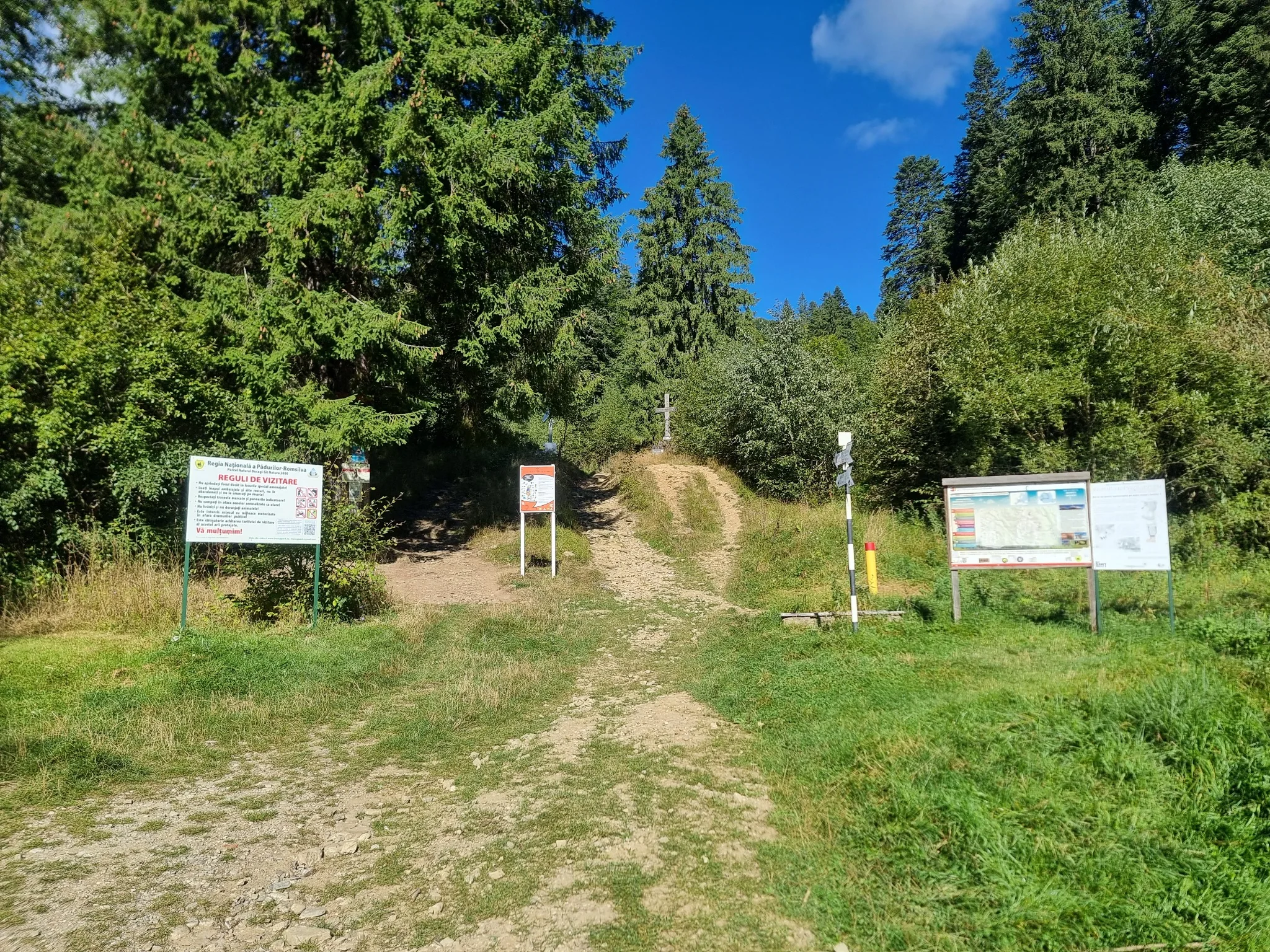
If the animal notices you
Follow the park’s published bear-awareness instructions. Stay together if you are in a group, speak firmly to identify yourself as human and move deliberately rather than panicking. Do not turn an encounter into a chase by running.
Specific responses to an advancing or attacking bear depend on the situation and can be dangerous to improvise. Read the full official park guidance before hiking, and treat an immediate threat as an emergency.
Why feeding is dangerous
A bear that associates people with food can approach campsites, roads and tourist areas more often. Feeding wildlife is dangerous for people and harms the animal’s long-term behaviour and survival.
Store snacks and waste securely, never offer food from a car window and do not approach a roadside bear just because other vehicles have stopped. Keep a safe distance from any animal, not only bears.
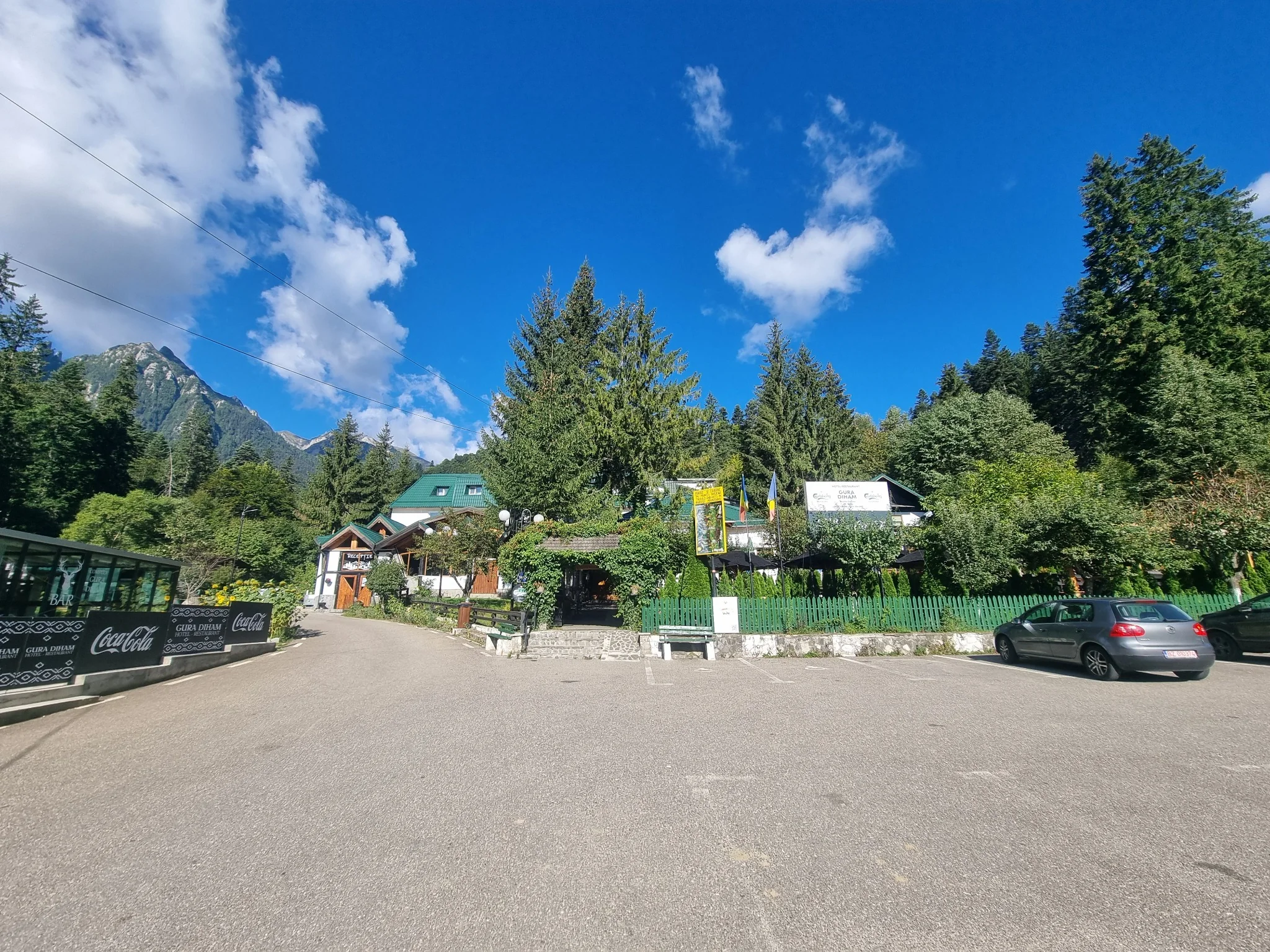
When to seek help
Call 112 if someone is in immediate danger or has been injured. The mountain rescue service, Salvamont, provides specialist assistance for incidents on mountain terrain. Give a clear location and follow instructions.
Where visitors may encounter bears
The brown bear is part of the natural environment around the Bucegi and neighbouring Carpathian mountains. The Bucegi Natural Park administration confirms that bears are present and publishes a specific visitor-awareness guide. A sighting can occur on forest routes, near rubbish collection points or at the edge of a settled area. The presence of hotels, roads or houses does not make an animal safe to approach.
Tourists sometimes treat wildlife as an attraction that should be photographed from as close as possible. That is dangerous for people and harmful to animals. Never feed a bear, attempt a selfie, approach a cub or follow an animal to keep it in view. A bear that appears calm beside a road is still a wild animal. Give it space and do not create a crowd.
Report unusual or threatening behaviour to the appropriate authorities. For an immediate danger to people, call 112. Do not attempt to solve a problem by throwing food or driving close to the animal for a photograph.
Reducing the chance of a close encounter
The natural park’s recommendations include travelling in groups, staying on marked routes, making your presence known in dense vegetation and keeping dogs on a lead. A dog that runs ahead and encounters wildlife can create a dangerous situation for the animal, the dog and the people following. Choose routes appropriate to your group and avoid walking after dark in unfamiliar forest areas.
Keep food and scented waste under control. Do not leave picnic remains, open rubbish bags or snacks accessible beside a trail. The park highlights avoiding attractants and keeping camping and picnic areas clean. Feeding wild animals can encourage them to return towards people and roads, making future encounters more likely.
Before leaving, ask about current wildlife alerts and route restrictions, especially where signs warn of frequent sightings. A heavily photographed route is not necessarily safe every day. Obey temporary closures and advice from park rangers and Salvamont staff.
If you see a bear at a distance
The Bucegi Natural Park’s visitor guidance says to remain calm, avoid running, give the bear space and retreat slowly rather than approaching. Do not block its path or try to drive it towards a photograph. Keep your group together and make sure children do not move closer out of curiosity.
The exact response to an unpredictable close encounter can depend on the animal’s behaviour, the terrain and the distance. Generic internet rules such as “always run” or “always play dead” are not a safe substitute for local professional guidance. Follow the park authority’s current instructions and the advice of emergency services if you are in immediate danger.
If you are hiking with a dog, keep it controlled on a lead. Do not encourage it to bark at or pursue the animal. Move away when it is safe to do so. A planned forest walk should be abandoned if wildlife behaviour makes continuing unsafe, even if the scenic destination is nearby.
Bears seen from a car or near a resort
Drivers occasionally encounter wildlife near roads or tourist facilities. Stay in the vehicle where appropriate and do not stop to feed or photograph an animal at close range. Do not create an obstruction on the road, and avoid sudden manoeuvres that endanger other drivers. Respect instructions from police, park rangers or other authorities managing the situation.
A roadside bear is not a tourist stop. Stepping out with a phone or bringing children closer can provoke a dangerous interaction. Food thrown from cars also teaches animals to associate vehicles and people with easy meals. Keep windows and doors secured as appropriate and leave the area safely.
If a bear enters a settlement or threatens people, report it to the competent authorities. Do not form a crowd around it or try to move it yourself. The fact that other tourists are taking photographs does not mean the situation is safe.
Picnics, accommodation and camping
Food handling is important even where you are staying rather than hiking. A guesthouse on the edge of forest may have waste-storage arrangements for a reason. Use designated bins and follow the host’s instructions instead of leaving rubbish bags or food scraps outdoors overnight. Never put leftovers out for bears in the belief that it will allow people to watch them from a balcony.
For camping, check whether the location is authorised and what the park permits. The Bucegi Natural Park’s official FAQ identifies designated camping arrangements; it is not appropriate to assume any picturesque clearing is open for overnight camping. Protect food properly, keep the site clean and follow local rules for fires and waste.
Parents should explain to children that even a small-looking bear is not a domestic animal. No food, no selfies and no following footprints into the woods. These are easier rules to remember than a long list of dramatic stories about rare encounters.
Plan mountain walks around current conditions
Wildlife safety is one part of a broader mountain plan. Check marked routes, weather, daylight, emergency contact options and the physical demands of the trail. Carry suitable equipment and a charged phone; tell someone where you are going and when you should return. Travelling with an experienced companion is often better than walking alone on an unfamiliar route.
Do not treat a gondola ride as a guarantee of safe hiking at the top. High mountain paths may have exposed ground, weather restrictions and seasonal closures. If the official operator or rescue service advises against a route, choose a lower-altitude activity. A sensible change of plan is part of enjoying the Carpathians responsibly.
For emergencies call 112; the national Salvamont dispatcher can also be reached on 0725 826 668. The mountain rescue guide explains what information to give. For bear-specific advice, read the Bucegi Natural Park’s official guidance rather than relying only on second-hand travel anecdotes.
Checked sources
Read the park authority’s current wildlife guidance before heading into areas where bears may be present.