
Mountain rescue in Romania: emergency information for hikers
Before setting off on a mountain walk in Romania, make sure you know how to call for help and describe where you are. This guide explains the emergency numbers and the information rescuers may need.
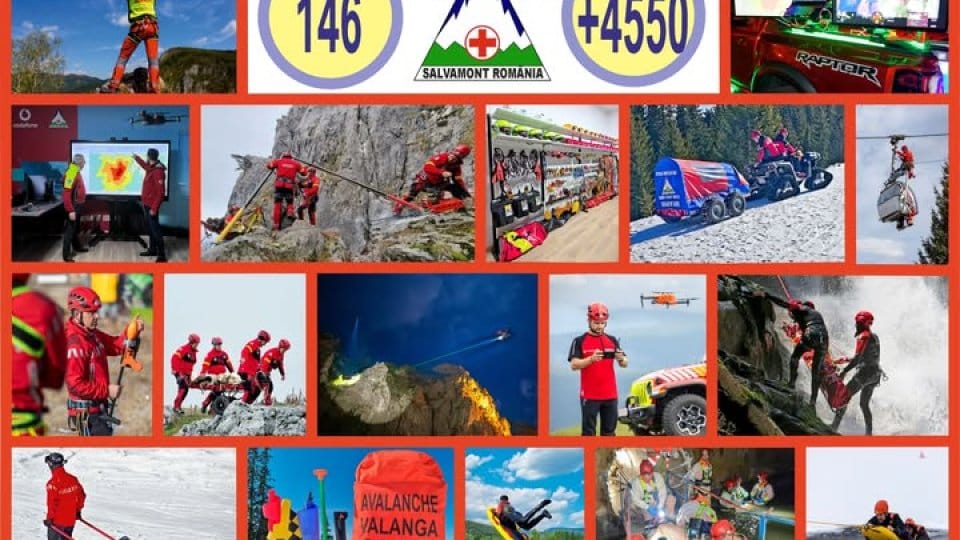
Who to call in an emergency
In Romania, dial 112 for an emergency. For mountain rescue assistance, Salvamont also publishes 0-SALVAMONT (0725 826 668). Do not wait to be in serious distress before taking a situation seriously if a member of your group is injured, lost or unable to continue safely.
Call from a location with phone signal if possible, and keep your phone available for follow-up. If signal is weak, avoid wandering aimlessly while trying to find a better location, especially near steep terrain.
What to say on the call
Give your name, what happened, the number of people involved, the condition of anyone injured and your best known position. A GPS location or coordinates from a mapping app can help, but do not invent a location if you are unsure.
Describe the weather, the marked trail you were on, the last unmistakable landmark you passed and the approximate time of the incident. Follow the responder’s instructions rather than improvising a rescue route.
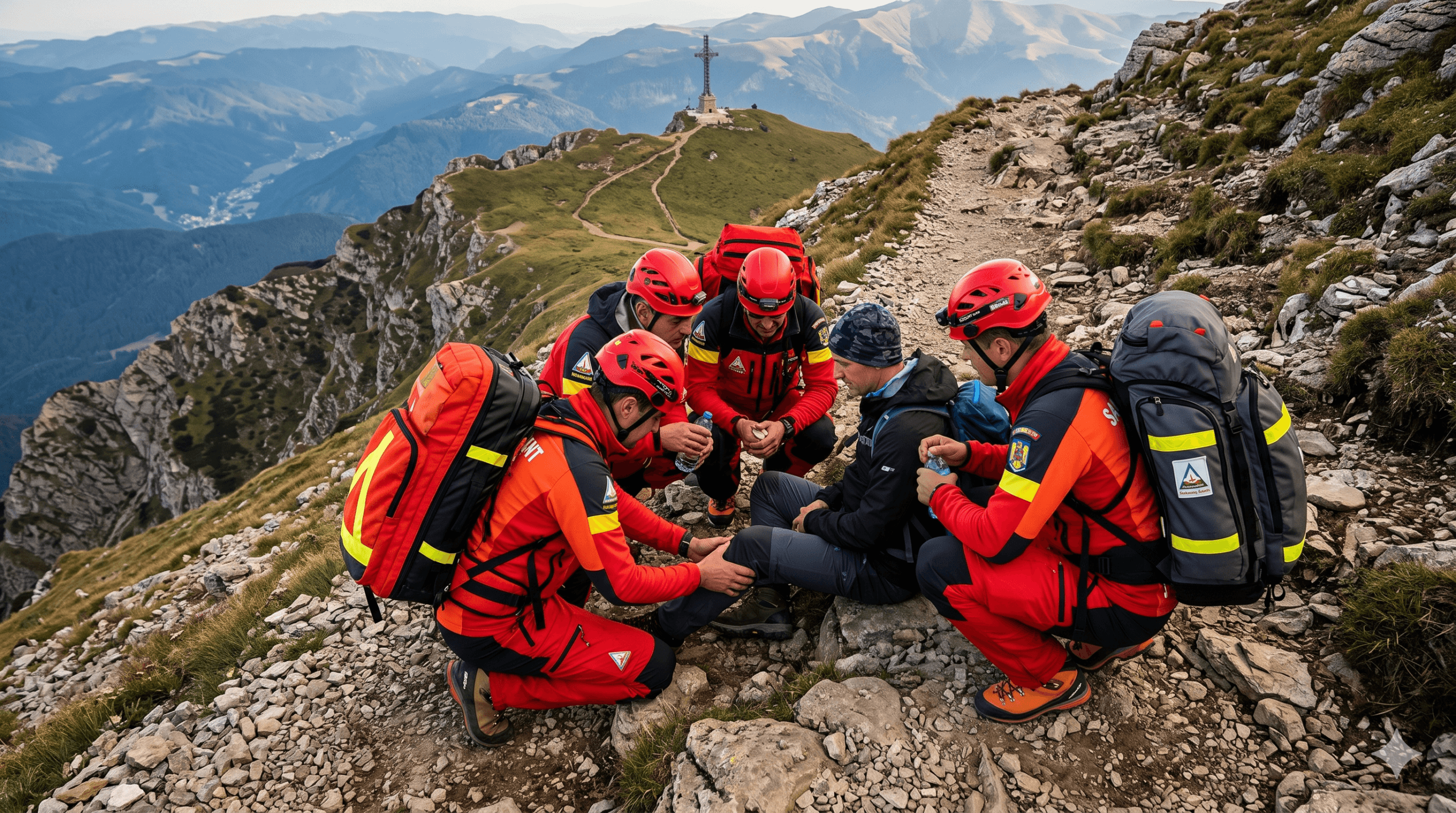
Prevention is the best rescue plan
Check the difficulty of the route and the forecast at the actual altitude. Wear suitable footwear, carry water, a charged phone, a headlamp and clothing for wind and precipitation. Tell someone where you are going and when you expect to return.
Stay on marked trails. Choose the route for the least experienced person in your group. A familiar photograph of Babele or the Caraiman Cross does not show the difficulty of the way there.
If you are lost or the weather deteriorates
Stop and assess your location before continuing. If the route is no longer clear or conditions make the return unsafe, seek professional advice. Avoid descending into unknown gullies or taking unmarked shortcuts in fog, darkness or snow.
Protect anyone injured from further danger and bad weather. Only provide first aid within your knowledge and follow emergency operator instructions.
Wildlife and other risks
The Bucegi Mountains are bear habitat. Keep food secured, do not approach wildlife and follow the park’s official safety guidance. Severe weather, loose rocks, snow and tiredness are equally real hazards.
See our detailed bear safety guide. This emergency page is an orientation resource, not a replacement for official rescue advice or training.
Before hiking: make rescue less likely to be needed
Romania has dedicated mountain rescue teams known as Salvamont. Their existence is reassuring, but it should not be treated as a reason to begin an unfamiliar mountain route without preparation. Choose a marked trail suited to the least experienced person in the group. Check the weather, route difficulty, marking, daylight, access arrangements and whether a cable car or mountain hut is actually operating.
Tell someone where you plan to go and when you expect to return. Carry suitable layers, drinking water, a charged phone and a map that remains usable without mobile data. A headlamp can be valuable even on a planned daytime outing because a delay may push the return into darkness. Do not depend on finding food, water or a staffed refuge at every point marked on an old map.
The recommendations of Salvamont România stress marked routes, appropriate equipment and realistic plans. In the Bucegi, an easy forest path and an exposed route through the Jepii valleys require very different preparation. If local rescue teams advise that a route is closed or unsafe, choose another destination.
Who to contact in an emergency
For a serious emergency in Romania, call 112. The national Salvamont dispatch number is 0SALVAMONT / 0725 826 668. The official Salvamont website publishes both and explains that dispatchers connect the caller with the competent local rescue team. You do not need to guess which town’s rescue office covers the exact hillside where an accident occurred.
Tell the dispatcher your name, what happened, how many people need help, their condition and the location as precisely as possible. The official guidance also asks about the time of the incident and local weather. A nearby trail marker, signposted junction, refuge name or GPS coordinates can help. Speak clearly and answer follow-up questions rather than assuming a map pin tells the whole story.
If you can call, remain reachable for further instructions. Do not endanger yourself by moving onto exposed ground merely to improve a photograph of the accident scene. Follow the dispatcher or rescue team’s advice about whether to remain in place, protect someone from cold or move away from an immediate hazard.
How to describe your location accurately
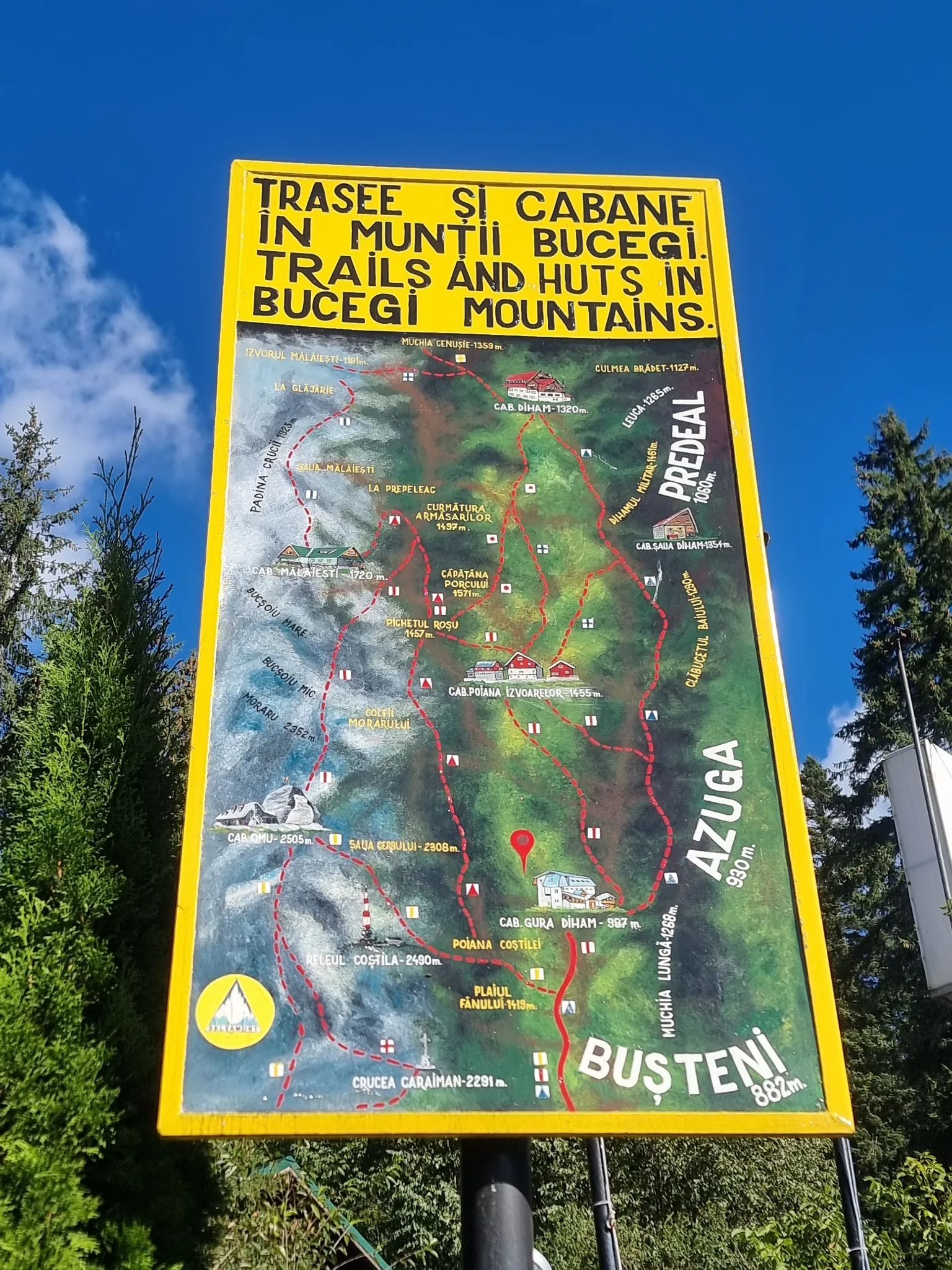
In mountain terrain, “somewhere above Bușteni” is not enough to identify a person. Keep a map available and note the route you started from, the direction travelled and the last marker or junction. Trail markings in Romania typically use a coloured stripe, dot, cross or triangle inside a white border. Describing the symbol and the last signposted destination can help a rescue team establish where you might be.
GPS coordinates are useful when reliable, but they should supplement a spoken description rather than replace it. The accuracy shown by a phone can be affected by terrain, buildings and signal. A screenshot of a map may also show an intended route rather than your current position. Check what the device is actually reporting.
When hiking with others, keep the group together. If someone is injured, do not send several people away in different directions to look for assistance unless rescuers specifically instruct you. A companion who knows the route and can stay with the injured person may be as important as the phone call itself.
While waiting for rescue
The most important next step is to follow the professional instructions you receive. Avoid unnecessary movement of an injured person, especially after a fall or when a head, neck or spinal injury is possible. If you have first-aid training, use it within your competence and as advised by emergency services. Prevent additional injuries by keeping the rest of the group clear of falling rocks, traffic or other hazards.
Exposure can become dangerous in the mountains. Provide appropriate protection from rain, wind or cold where you can do so safely, and observe the person’s condition. The official Salvamont guidance recommends maintaining phone contact and monitoring vital signs while waiting for the team. Do not consume the entire phone battery on photographs, videos or repeated calls to relatives.
A rescue can take longer than people expect if access is difficult or the weather is poor. Avoid making promises about an arrival time; only the service handling the incident can provide an assessment. Keep your group calm and ready to give rescuers accurate information if circumstances change.
Storms, fog, snow and exposed terrain
Strong wind, thunderstorms, low cloud and snow can change a route even when the resort town below looks pleasant. Mountain lifts may stop for safety and should never be treated as a guaranteed way down from a high route. Before starting, check the operator and weather information and have a safe return plan that does not depend on one last cabin.
In winter, avalanche terrain, ice and short daylight demand specialist judgement. A route that tourists describe as moderate in summer may be inappropriate for ordinary walkers in snow. If an official notice closes a route, do not attempt it because somebody posted a photograph from another year. A rescue response is not a substitute for evaluating the route before departure.
In fog or darkness, leaving a marked path to seek a shortcut can make matters worse. Stop, establish your position and contact the appropriate service if you are lost or unable to continue safely. Do not separate children or inexperienced walkers from the group to scout ahead.
What international visitors should know
Romania uses 112 as the main emergency number. Keep it saved together with the Salvamont dispatcher number, but remember that emergency calling depends on available mobile connectivity and your device. If you do not speak Romanian, give simple English descriptions and place names clearly, and repeat coordinates or route markers if requested.
Travel insurance and medical arrangements should be checked before departure. Do not assume every activity or rescue-related cost is automatically covered by a general holiday policy, especially for technical hiking, skiing or mountaineering. The insurer’s terms determine what is included; the rescue team’s priority is safety, not a claim form.
Finally, distinguish emergency assistance from ordinary travel information. For a question about an open trail or a cable-car timetable, use the park authority, transport operator or local tourist information before leaving. Emergency numbers are for situations where help is genuinely needed. Our wildlife safety guide and general visitor guide cover preparation that may prevent problems.
Checked sources
For a planned hike, check the weather, trail conditions and mountain rescue advice before leaving.