
Prahova Valley travel budget: what to allow for
Build your Prahova Valley travel budget in Romanian lei. Start with transport and accommodation, then add meals, admissions and a reserve for plans that change.
Build the budget from five decisions
Start with transport + accommodation + food + attractions + a contingency. This is more useful than a single daily price because two people taking the train to Sinaia have very different costs from a family renting a car and a mountain chalet.
Quote and pay in the currency shown by the provider. Exchange rates change, and a card or hotel may apply conversion fees. RON is the usual currency for local transport, restaurants and admissions even when an accommodation listing displays euro prices.
Transport: train, car or airport transfer?
A train trip from București Nord to Sinaia can be economical, especially for a short visit without a vehicle. But train class, operator and departure time affect the fare. Use the official CFR booking engine and national rail planner for the actual date.
For a car, calculate not just fuel: include parking, rental conditions if applicable, the cost of reaching your hotel and possible delays on DN1. Private transfers should be priced by the whole journey with luggage and waiting conditions confirmed.
If you are arriving at Henri Coandă Airport, our airport transport comparison lays out the choices.
Accommodation: what the headline price may miss
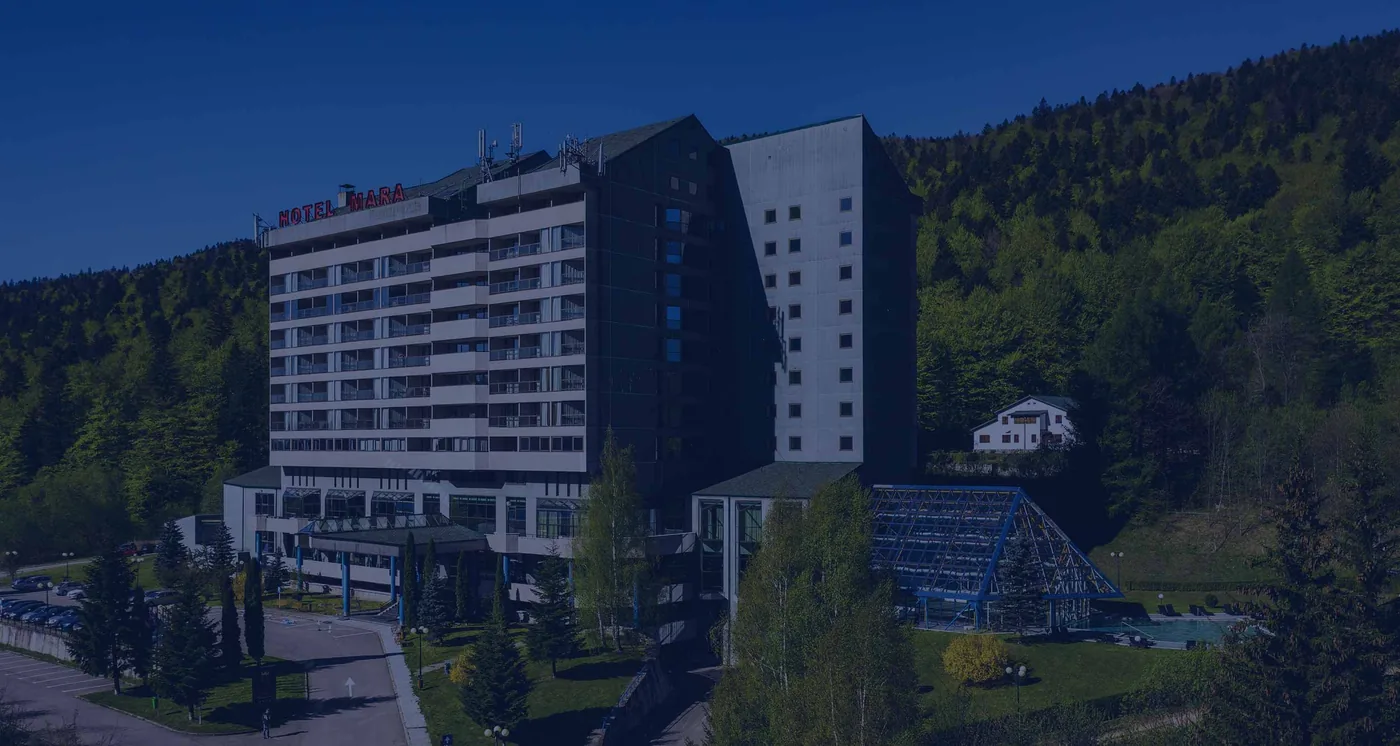
Compare the total cost of your stay, including taxes and whether breakfast or parking is included. Rooms with a mountain view, spa access or a kitchen may be worth the difference for a longer trip, but the label “spa hotel” does not guarantee pool access on every rate.
Weekends, school holidays and major winter dates may bring higher prices and fewer cancellable rooms. If you plan to travel by train, a slightly more expensive property near the station can save taxi fares and time.
See the resort comparison before choosing a town. You may get more value from a different base than from the cheapest listing in the wrong location.
Attractions and mountain lifts
Tickets are not a flat regional pass. Museums, castle estates and cable-transport operators sell their own products. For example, Cantacuzino Castle lists distinct prices for park access, castle access and gallery combinations, while the Sinaia gondola operator may sell different products for skiers and pedestrians.
Before paying, check age bands, photography rules, seasonal closures and the particular parts of the attraction included. Remember that the Peleș Castle interior is scheduled to be closed 2 November–1 December 2026 for conservation.
A simple budget worksheet
Add these amounts using prices obtained for your exact dates. That figure will be more reliable than a generic number written months earlier.
What some tickets actually cost
These are reference prices for individual services, not a total holiday budget. Check the operator’s current fare and opening arrangements before buying.
For a couple, a family or a longer stay, multiply only the services you actually intend to book. Accommodation, meals, parking and local transport still need their own allowance.
Check CFR ticket prices · Peleș admission details · Cantacuzino admissions
Why the same journey costs two different travellers different amounts
Two visitors can reach Sinaia on the same day and pay very different amounts without either making a mistake. One might use a direct train from București Nord, walk to a central hotel and travel only between the main resort towns. Another arrives at Otopeni after a late flight, books a car transfer to a chalet outside town and relies on taxis for every outing. The second person’s transport bill includes more than the distance covered.
Start by listing your arrival station or airport, the town where you will sleep and each significant journey you intend to make. Add both the outward and return legs. If you are driving, account for rental fees, fuel, paid parking, any road tolls that apply and the cost of leaving the vehicle unused when walking around a compact town. A supposedly cheaper remote hotel can become expensive once daily driving and parking are included.
For train travel, do not copy a historic ticket price from a travel blog. Romanian railway fares depend on the operator, route, train category, class, discounts and the date of purchase. Search the actual route in the national journey planner and check the booking page of the company operating the train. A reservation for a particular departure may not be interchangeable with an earlier or later one.
A family should also check whether a child fare applies to each leg and which identification documents are required. If everyone needs a transfer from a station to an uphill hotel, a car may suddenly look more competitive. The right comparison is the full journey door to door, not just the headline railway ticket.
What to check before accepting a hotel price
A room advertised at a low nightly rate might suit a couple travelling lightly but be awkward for a family, a skier or anyone without a car. Before comparing properties, set the same dates, number of adults, number and ages of children and cancellation conditions. Check whether the displayed amount covers the entire stay or one night. Some booking pages also separate taxes, parking and breakfast from the initial rate.
Location is particularly important in Sinaia and Bușteni because many streets climb away from the railway line. A guesthouse that looks a few hundred metres from a station on a map may involve a steep approach. If you will use taxis daily, estimate those costs rather than treating transport as free. For skiing, check the actual distance to the operating lift and whether the accommodation provides transport or ski storage.
A useful comparison is between total price and practical convenience. A centrally located room can save both money and time on a two-night trip. On a longer stay with a car, the quiet property outside town might make more sense. Decide what you value before clicking a booking link: easy train access, a view, parking, a kitchen, family facilities or proximity to a specific mountain activity.
Do not assume that free cancellation means every date can be cancelled without penalty. Read the deadline and time zone, payment schedule, no-show conditions and whether the accommodation has special holiday rules. The portal may receive a commission from affiliate bookings; this does not alter the need to check terms directly with the provider.
Planning food costs without pretending every restaurant is the same
Food is often the most flexible part of a mountain-trip budget, but it can also be the part that gets forgotten. Separate breakfast, lunch, dinner and small extras. If your hotel includes breakfast, you may need only two substantial meals a day. If you stay in an apartment with a kitchen, groceries can reduce spending, especially for families. That saving is real only when you are willing to prepare food rather than eat out every evening.
In resort centres, restaurants may have menus in Romanian and English, but prices, opening hours and table availability vary. You can review a menu online before visiting, then check it again at the venue. A pastry and a coffee are not equivalent to a seated two-course meal, so budget them as different choices rather than treating “food per day” as a universal number.
Bring a small allowance for drinking water, snacks, hot drinks on cold days and food during train transfers. If you are hiking, carry suitable supplies instead of relying on a mountain hut that may be closed or crowded. Avoid wasting time travelling to a slightly cheaper restaurant across town when that journey requires a paid taxi.
The best budget is not necessarily the lowest one. A relaxed lunch and an unhurried afternoon may be more valuable than trying to visit another attraction on a tight timetable. Decide where you want to spend and where convenience matters more.
Admission fees, cable cars and the hidden cost of bad weather
Before setting a single “attractions” figure, list what you actually intend to enter. Visiting the royal estate grounds, touring castle interiors, riding a gondola and hiring ski equipment are different products. Each venue sets its own conditions, and a discounted category may require proof of eligibility. Check the operator’s current price page for your travel dates rather than copying a price from a previous winter.
High-mountain transport deserves a separate line. In Sinaia, the cable car and gondola systems have different stations and ticket structures, while Cota 2000 access depends on current operation and weather. You might need a pedestrian return trip rather than a ski pass. Buying the wrong product can be more expensive than choosing the correct one after speaking to station staff.
Weather also changes spending. If mountain lifts cannot operate in strong wind, you may choose a museum, café or spa instead. Decide in advance how much flexibility your budget allows. Avoid paying for non-refundable activities on tightly connected travel days, especially when your flight or train arrival might be delayed.
As of November 2026, the National Peleș Museum’s official notice states that Peleș Castle is closed from 2 November through 1 December 2026. That closure should change the plans of anyone visiting during those dates. It would be misleading to include a paid interior visit in an itinerary for this period. Check the museum announcements when you build your personal budget.
Building a budget that is actually useful
Use two columns: booked or confirmed and estimated. Put your train tickets and paid accommodation in the first column once purchased. Put meals, local taxis and optional activities in the second until you have checked current prices. This prevents an attractive but inaccurate total from looking more precise than it is.
Then split the trip by day. A three-day visit might include one travel day, one mountain day and one easy town day. Those days will rarely cost the same. A mountain day with lifts or ski rental may be the most expensive; a walk around town may be nearly free apart from meals. An additional overnight stay can sometimes reduce stress and travel expense compared with cramming all activities into one long day.
Include a contingency reserve for a taxi when the last bus is missed, an alternative indoor activity in bad weather or a necessary change to the itinerary. Do not spend that reserve on hypothetical upgrades before the trip begins. This is particularly important when visiting in winter or during holiday periods.
Finally, review your choices rather than simply cutting everything. If your main goal is Peleș and central Sinaia, select accommodation and transport around that goal. If you want quiet scenery in Valea Doftanei, a vehicle may be worth more than a prestigious hotel. The resort comparison helps establish where your money will make the biggest difference.
Money, currency and payment on the ground
Romania uses the Romanian leu (RON), not the euro. Some tourist websites advertise prices in euros for international visitors, but the amount charged in local currency can depend on the payment provider’s conversion rules. Compare the final checkout total and the card exchange terms rather than assuming that a euro figure will be identical at the point of payment.
Cards are common at hotels and larger venues, but a little cash is useful for smaller purchases or places where terminal connectivity is unreliable. Do not carry more than you are comfortable safeguarding. If an ATM offers to perform the currency conversion for you, check the displayed rate and fees before accepting; your own bank may offer different terms.
Keep receipts for booked services and look at the amount in RON before confirming a card payment. If travelling as a group, agree in advance how shared taxis, fuel and restaurant bills will be split. That small conversation is often more valuable than trying to track every coffee afterwards.
Official prices and travel sources
Ticket prices, opening arrangements and train schedules can change; check the provider for your specific date.