
Accessible travel in Prahova Valley: what to check
Prahova Valley’s towns are linked by train, but steep streets and older buildings can make some visits difficult for wheelchair users and people with limited mobility. Check the entire journey, not just the entrance to your hotel.
Accessibility starts before the train arrives
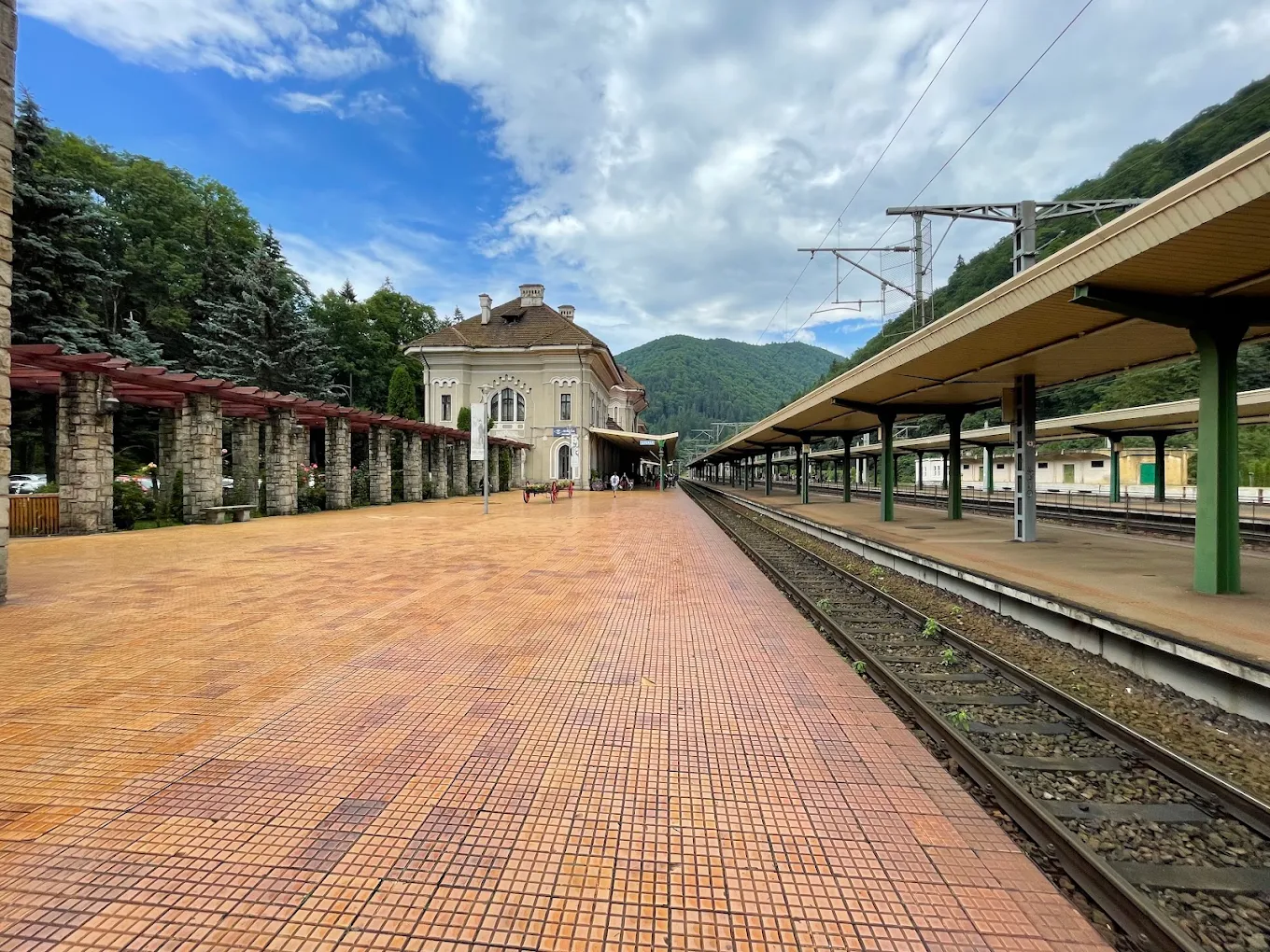
Prahova Valley is a beautiful destination, but a traveller who uses a wheelchair, walking aid or another mobility support should not assume that the tourist infrastructure is uniformly step-free. The main towns occupy a mountain corridor, and many streets climb away from the railway. Historic attractions may have stairs and protected architectural features. A clear itinerary must identify these details before tickets and rooms are purchased.
The most useful question is not simply “is Sinaia accessible?” It is whether a particular station, train, hotel entrance, room and attraction can be used by the person travelling. Access also varies between manual and powered wheelchairs, people who can manage a few steps and visitors who need a completely level route. A general accessibility symbol on a travel listing rarely answers all of those questions.
Plan one destination at a time and leave generous transfer margins. A shorter, well-confirmed trip can be far more enjoyable than an ambitious itinerary built around unverified ramps and services. Where information is incomplete, ask the responsible operator directly and keep a written reply.
Accessible rail travel: the operator matters
CFR Călători publishes a specific assistance service for passengers with disabilities and reduced mobility. Its information says assistance may be available at certain stations and on certain trains, including help with boarding and alighting, and that the arrangements depend on the passenger’s needs. It does not mean every train or station along the Bucharest–Brașov line offers an identical solution.
The current CFR procedure asks passengers to request assistance at least 24 hours before travel, giving the necessary details. A traveller using a non-folding wheelchair should pay particular attention to the list of supported services and trains, which is narrower than for some other categories. Check the operator’s official page and obtain confirmation for each leg, including any connection.
Romania has several railway companies. A service visible in a national timetable is not necessarily run by CFR Călători, and an assistance arrangement agreed with one operator should not be assumed to apply to another. Before booking, identify the exact train number, operator and station stops, then request whatever assistance that service actually provides.
What to ask about each station
Sinaia, Bușteni, Azuga and Predeal all lie on the main railway corridor, but the stations have different platforms, entrances and surroundings. Step-free access to a building is not proof that boarding a particular carriage will be possible without assistance. Platform height, carriage doors and the available equipment can all affect the journey.
Ask the operator whether boarding assistance is confirmed at the origin, any transfer point and the destination. Identify the exit closest to your accommodation and whether there are stairs, ramps or a lift on the public route. A station that looks small and simple from a photograph may still present barriers for a particular wheelchair.
The public street beyond the station deserves equal attention. In Sinaia the central boulevard stands above the railway, while hotels and cultural attractions may be higher still. A short street distance is not proof of a gentle gradient. An accessible taxi or hotel pickup may be needed, and it must be arranged in advance rather than assumed available on demand.
Sinaia: central park, town and royal attractions
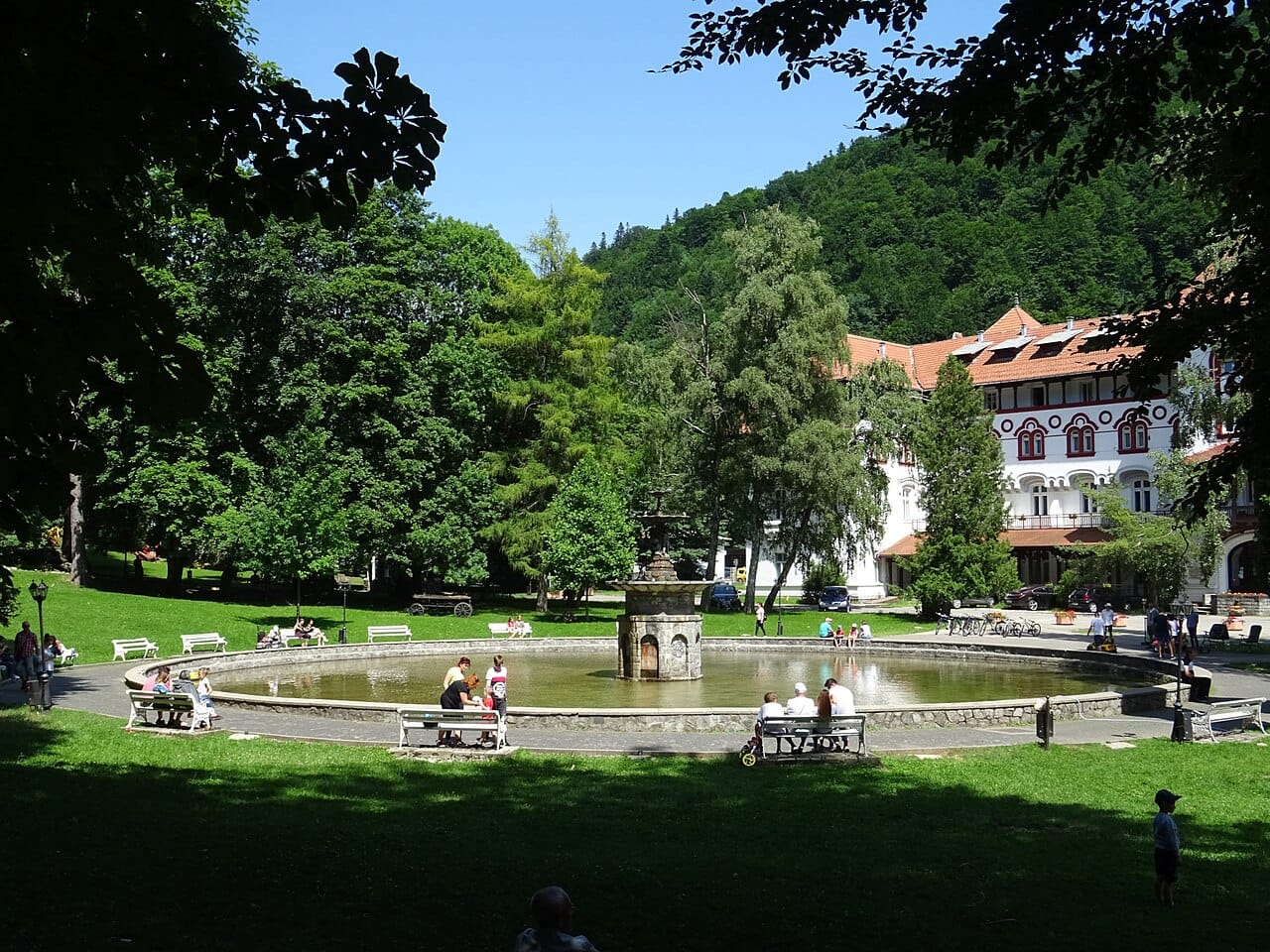
Sinaia combines central streets, Dimitrie Ghica Park, the monastery and the royal estate, but they cannot be treated as one flat sightseeing zone. The park may offer a more manageable town-based outing in suitable weather, though the particular entrance and surface should be checked. The approach from the railway to the centre includes an uphill section, which can be difficult for visitors using mobility aids.
The National Peleș Museum is housed in historic buildings. An accessible route to part of the estate does not guarantee step-free access to every interior, tour or toilet. Contact the museum with specific needs and ask about the permitted vehicle drop-off point, internal stairs and any support available. Check the museum’s actual opening arrangements before booking transport to the royal quarter.
Sinaia’s mountain transport is another separate decision. The operator publishes information about accessible facilities for some installations, but boarding a cabin and moving safely on the exposed upper ground are two different challenges. Ask about the exact lift, wheelchair dimensions or assistance required, and whether there is a step-free route at the intended exit station.
Bușteni: castle access and mountain views
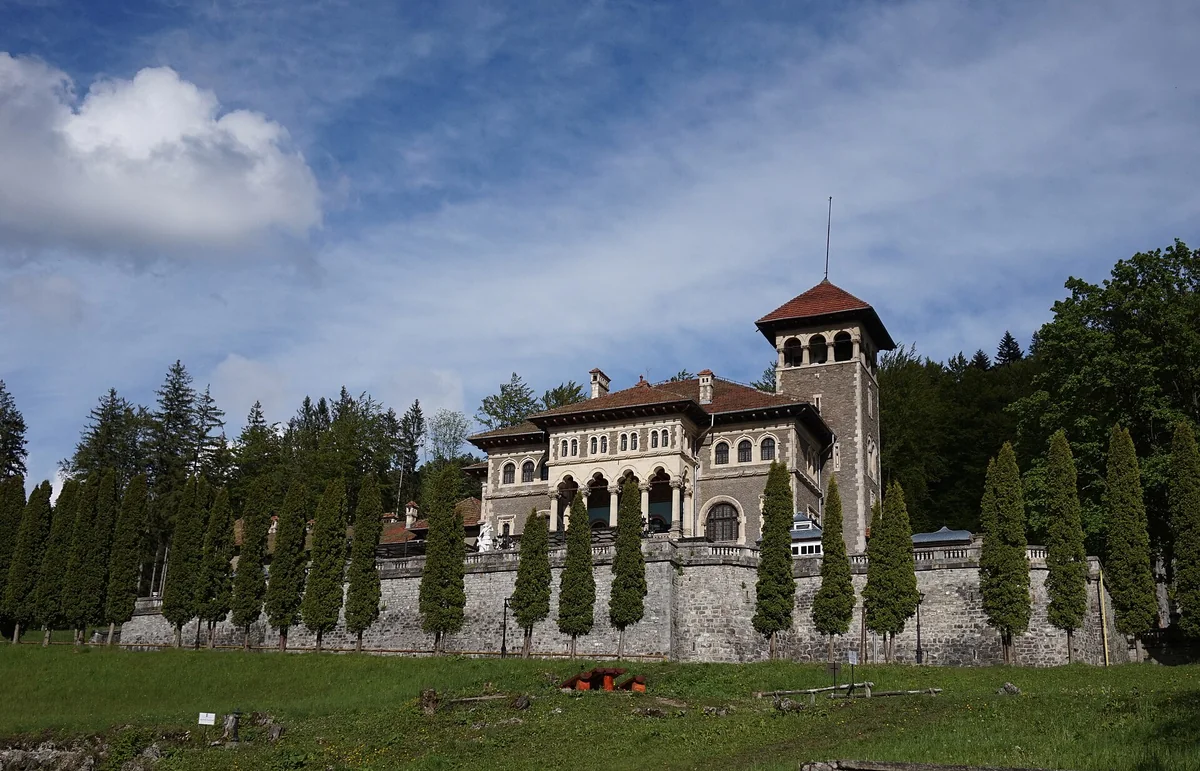
Cantacuzino Castle in Bușteni stands above the town on the Zamora side. Its official ticket information includes concessions for visitors with disabilities and companions, but a ticket policy is not a complete accessibility specification. Ask the venue about the entrance, internal floors, toilets, galleries and any guided-tour stairs before purchasing an admission product.
A visitor may be able to enjoy a view of the Bucegi mountains from public town areas without attempting an exposed walking trail. However, the terrain and pedestrian surfaces differ between locations. Do not rely on a photograph taken from a car park to conclude that the entire estate or viewpoint is accessible to every visitor.
The park around the castle and its interiors have different access considerations. If the visit is important, provide the venue with details of mobility equipment and preferred assistance. A clear reply about the actual route will be more useful than a general online review saying that the place is easy to visit.
Azuga and Predeal: choose realistic activities
Azuga and Predeal can be appealing for a quieter mountain stay, but the same planning rules apply. The route from the station to a hotel or gondola terminal may be uphill or too long for someone who finds uneven paving difficult. Ask the accommodation about an accessible transfer, parking location and step-free entrance before booking a room.
The Sorica gondola in Azuga may offer a scenic experience to some visitors, subject to the operator’s boarding arrangements and current service. Do not assume that an operating cabin has enough space for every wheelchair or that the upper landscape is easy to cross. Discuss cabin dimensions, assistance and the actual terrain with the responsible operator.
Predeal’s hotels differ in construction and facilities. A property advertising a lift or pool needs to confirm access to the exact guest room, changing area and public spaces you intend to use. For a traveller who prefers a gentle programme, a comfortable hotel, town meals and an easy short outing may provide a better holiday than a nominally accessible but demanding mountain route.
Booking a room that genuinely works
The term accessible room needs to be tied to specific features. Ask whether the route from the pavement or car park to reception is step-free, whether a lift reaches your floor and whether doors and bathroom fittings suit your equipment. If the property has a restaurant or spa, accessibility to the bedroom does not automatically imply accessibility to those facilities.
Ask about the exact bed layout and whether any steps separate the main building from an annex. In older hotels, accessible features can vary even between rooms on the same floor. A photograph of one bathroom should not be treated as proof that the room you are buying has it. Request written confirmation that your booking is for the suitable unit.
Parking is another important detail. A hotel may advertise free parking but have a steep or gravelled approach to its entrance. Confirm the distance from the vehicle drop-off point and whether someone can assist with luggage. In winter, ask how snow and ice are cleared, especially on ramps and access paths.
Taxis, road trips and the final kilometre
Accessible local transport should be planned before arrival. Do not assume that every licensed taxi can carry a non-folding wheelchair or has secure restraints. When booking a transfer, specify the wheelchair type, dimensions, passenger needs, luggage and any companion. Ask for confirmation of the exact vehicle and its boarding equipment.
A private car may simplify access to more distant attractions, but parking and the path from the vehicle to the entrance still matter. A road trip through DN1 includes slopes and busy junctions, and safe drop-off points may be separate from the attraction itself. For example, the royal estate in Sinaia has its own pedestrian access arrangements even when the car can approach the wider area.
Plan enough time for every transfer. A two-hour journey on paper can become much longer when assistance, boarding and accessible transport have to be coordinated. The goal is to avoid being stranded at a station or venue whose normal closing time makes a later pickup difficult.
Weather, fatigue and accessible toilets
Mountain weather creates additional access difficulties. Rain makes stone surfaces slippery, while snow and ice can obstruct ramps or paths that are usable in summer. A route described as accessible in July may not be manageable in January. Ask venues about seasonal maintenance and check conditions shortly before travelling.
Plan breaks and accessible toilets rather than assuming every café provides them. A public building may have a suitable entrance but no usable bathroom or seating area. When visiting an older museum, ask how long a guided tour lasts, whether seating is available and whether visitors may leave and rejoin if necessary.
Fatigue is another reason to keep the itinerary light. One confirmed museum visit and lunch can be a successful day, particularly when reaching the site requires considerable transfer planning. Avoid a schedule that requires multiple unverified changes of transport in different mountain towns.
Questions to send before paying
Write to the train operator with the date, exact stations, train number and assistance needs. For CFR Călători, use the published PRM assistance system and respect the minimum request period. Ask explicitly whether your wheelchair type is supported and what happens at each station. Do not assume that a general booking confirmation includes the assistance request.
Write separately to the hotel and the attraction. Ask for the step-free route, access to the specific room or tour area, bathroom arrangements and any safe drop-off point. If photos or measurements are necessary, request them. It is better to know that a particular historic venue cannot accommodate a requirement than to discover it after a long trip.
Keep all confirmations, contact numbers and alternative arrangements accessible offline. If something changes, inform the provider as early as possible. Our rail ticket guide explains the wider operator system, while the resort comparison helps choose a base with sensible travel distances.