
Rhein Cellars Azuga: guided tours and sparkling wine
Rhein Cellars in Azuga offers a glimpse into Romania’s sparkling-wine history. Find out what a guided visit includes and how to arrange one before you travel.
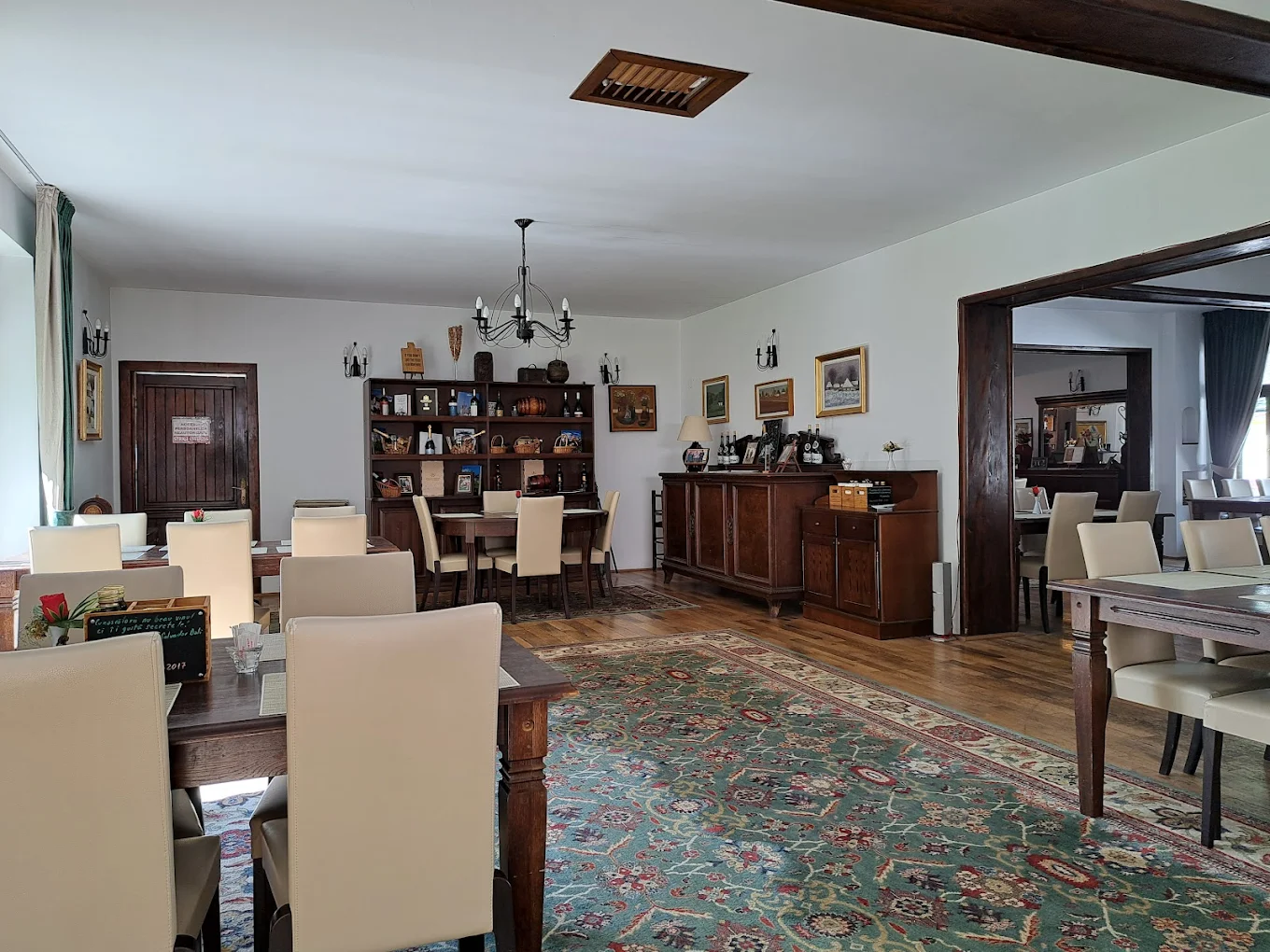
An unexpected stop in a mountain town
Azuga is usually described through its ski slopes, its gondola and the mountain scenery visible from the railway. Yet one of the town’s most distinctive addresses has little to do with snow. The historic Rhein cellars grew out of the industrial development of Azuga in the late nineteenth century, when the settlement had factories, commercial enterprises and a growing connection to the rest of the country by rail.
For visitors who enjoy architectural history, the cellars are interesting even before the first glass is poured. Their stone and brick structures tell a story about storing and ageing wine in a mountain environment. This is not a vineyard tour through rows of grapes on a warm hillside. Azuga is the cellar destination; the history of wine growing reaches into other parts of Romania.
Set aside a proper period for the visit rather than treating it as an attraction that can be entered whenever the restaurant is open. The current hospitality operator advertises a guided tour and tasting, subject to advance booking. The distinction between visiting the historic cellars, eating in the restaurant and staying at the guesthouse matters when making plans.
From a wine depot to an enduring local name
Azuga’s municipal historical study places the foundation of the Rhein wine depot in 1892, on land leased from the royal estate. The venture developed as the town was becoming an industrial centre in the Prahova valley. Its story belongs to the same era of railway expansion and new factories that changed the mountain settlements from quiet places along a road into working towns.
The historical study describes wine trading and the gradual development of sparkling-wine production. The sturdy construction of the cellar buildings was part of the enterprise’s character. Visitors can better appreciate the site by looking at the architecture, the layout and the relationship between storage spaces and production, rather than concentrating only on a bottle label.
The Rhein business also has a royal association. The present operator describes its wines as supplied to Romania’s Royal House from 1904. It is worth hearing how that relationship is presented during the tour, but the cellars’ significance is wider than royal patronage: they show how a mountain town participated in the changing Romanian economy more than a century ago.
What is included in the guided experience?
The Rhein guesthouse’s current tourism offer describes a guided visit lasting approximately 60 minutes. It covers the cellars and the history of the Rhein name and includes tasting three Rhein Extra sparkling wines. The advertised experience is intended for adults, with a minimum group size and advance reservation. Check all of those conditions for the date you actually intend to come; a published package is not evidence that places remain available.
Ask whether an English-language guide can be arranged, because a detailed historical talk is much more rewarding when everybody can follow it. If someone in the group has difficulty walking or standing for long periods, discuss the entrance, steps, floors and any accessible alternative before booking. A historic cellar can have very different circulation from a modern museum.
What you see may depend on the working arrangements of the venue. Areas used for production, storage or staff operations should not be treated as unrestricted photo locations. Follow the guide and ask about photography rules. If you are particularly interested in wine-making methods, mention that when reserving so that staff can advise whether the standard tour meets your expectations.
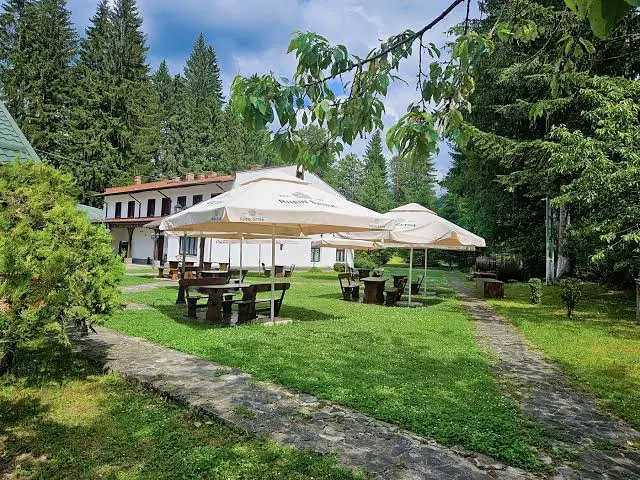
What makes the sparkling-wine history interesting?
The story of sparkling wine is partly about time. In the traditional method, a second fermentation in the bottle contributes to the wine’s development before it is prepared for sale. Storage conditions and patient handling matter. A historic cellar offers a useful setting for learning why production is a process rather than simply a drink being poured into a glass.
Romania has a wider wine-growing culture than the Prahova mountain resorts alone suggest. The Rhein site helps connect the mountain settlement with the wine regions that supplied its trade. If you expect to see vineyards in Azuga itself, adjust that expectation before arriving. The landscape here is forested and alpine; the visit centres on cellars and production history.
Approach tasting as an optional adult experience, not as a requirement for enjoying the site. The advertised tasting is for visitors aged 18 and over. A designated driver or a traveller who does not drink should ask whether a historical tour without wine is possible. Do not assume a non-alcoholic option, a different ticket or child admission exists without confirmation from the operator.
How to make a reservation that actually works
The official accommodation website lists a tour-and-tasting offering, with a stated advance-booking requirement. Contact the venue with your preferred day, number of visitors, language and any accessibility questions. Ask for the final price, duration and cancellation terms before committing. Prices shown on an older page or travel article may differ from what the venue charges when you arrive.
A short train journey from Sinaia or Bușteni sounds convenient, but a late train can make a fixed appointment stressful. Choose a service that stops at Azuga, allow time from the station to the venue and leave a margin for delays. If coming by car, DN1 can be slow on holiday weekends. Tell the operator if your arrival may be uncertain rather than counting on an exact road-time estimate.
Reserve the restaurant separately if you want to eat after the guided visit. A table is not guaranteed by a tasting booking, and the presence of a restaurant on the property does not mean every dining space is operating during the entire day. Making both arrangements clearly is the simplest way to enjoy the visit without a rushed change of plans.
Getting to Strada Independenței in Azuga
The Rhein complex lists its location as Strada Independenței 24, Azuga. Azuga is on the main Bucharest–Brașov railway, between Bușteni and Predeal. Arriving by train removes the need for a designated driver after an adult tasting, but the railway station is not inside the cellar complex. Check the exact pedestrian route and elevation before travelling, especially in rain or with luggage.
For a family group or anyone with limited mobility, a licensed local taxi may make the last part easier. If you drive, ask whether visitor parking is available for your booking; a guesthouse advertising parking does not automatically guarantee a reserved place for every non-resident attending a tour. Use the normal entrance and follow the operator’s directions.
When planning the wider trip, remember that Azuga is not a district of Bușteni. Each town has a separate railway station, and not every service calls at both. Check the train’s stopping pattern rather than boarding any service showing Brașov or Bucharest as its final destination.
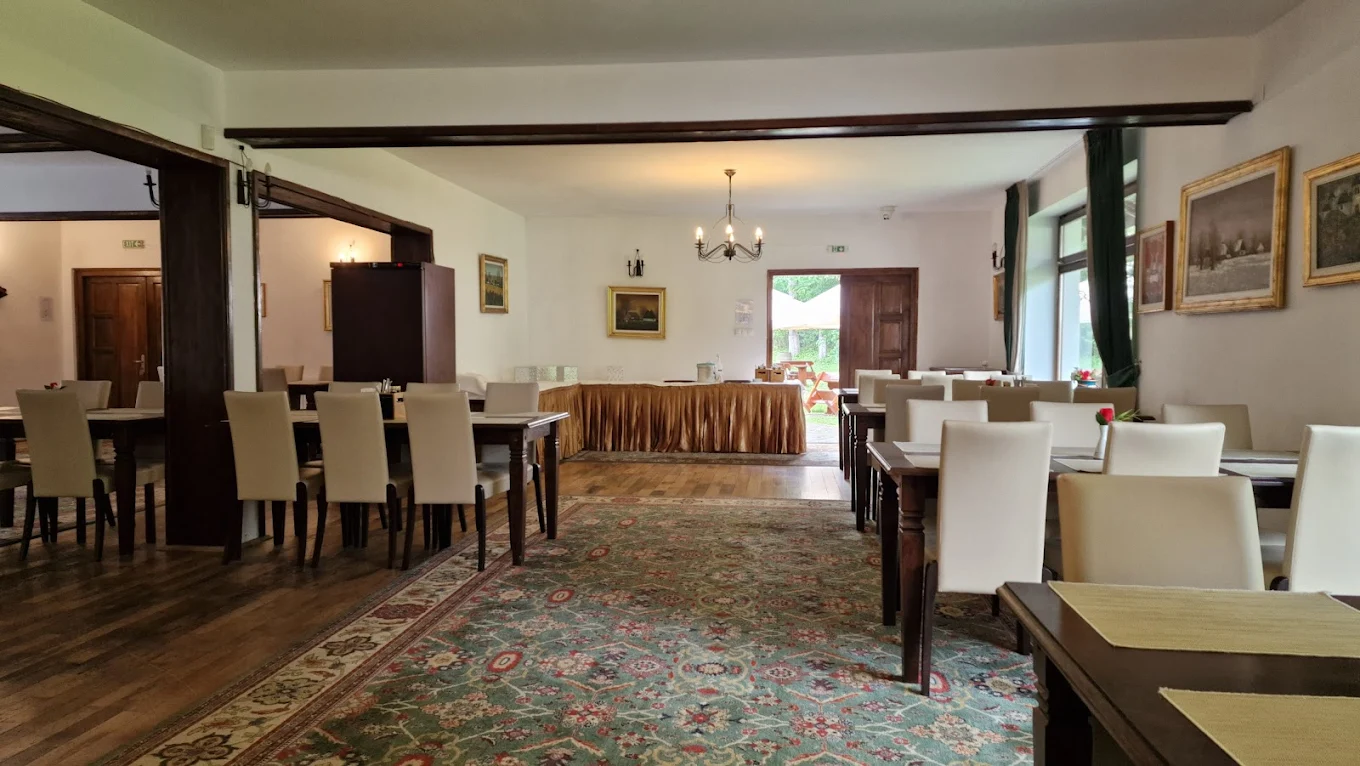
Restaurant and guesthouse: more than an hour in the cellar
Rhein also operates accommodation and a restaurant, giving travellers the option of turning a guided visit into a slower mountain break. The guesthouse describes its rooms and restaurant facilities on its own website. These may appeal to couples who want a heritage stay or visitors who prefer to avoid travelling back after a tasting. Check the exact room, meal service and conditions rather than assuming that a photograph shows every space open year-round.
The restaurant introduces another side of the town: food and hospitality rather than skiing. If you are interested in local cooking, look at the current menu and ask what is prepared on the day. A meal can be the centre of a winter afternoon when strong wind closes higher ski lifts. But there is no reason to assume that booking a room or restaurant table also includes cellar admission.
For a visitor with children, the restaurant and town may be suitable for a family outing while the wine tasting itself is restricted to adults. Ask the venue how it accommodates mixed-age groups and do not bring a child to an adults-only tasting without prior agreement.
Combining the cellars with Sorica and the valley
The Sorica gondola and Rhein Cellars are two of Azuga’s best contrasting experiences. One takes you towards open mountain scenery; the other explores the town’s industrial heritage indoors. If the gondola is operating and the weather is clear, a mountain visit earlier in the day followed by a confirmed cellar appointment can make sense. Nevertheless, you should not treat the lift’s programme as guaranteed. Wind and maintenance can alter access with little notice.
Give each activity enough time. Cable transport involves reaching the lower station, buying the right ticket, ascending and descending. A cellar tour has its own meeting point and fixed duration. Racing between the two is particularly uncomfortable when driving through busy streets or arranging taxis. When the mountain lift is closed, the cellar can be an attractive alternative if a reservation is available.
If you are staying elsewhere, choose whether Azuga deserves a full day or only one principal stop. Trains can help link it with Sinaia and Predeal, but railway frequency and stopping patterns differ. Our Sorica guide covers the ride, while the accommodation comparison helps decide where to sleep.
A few questions that make the visit better
Before you leave, confirm whether the guided tour will use English, where to meet the guide and whether you need to arrive a little early. Ask what happens if the group is smaller than the advertised minimum or a train delay affects your arrival. If you use a mobility aid, ask about actual flooring and stair arrangements, not simply whether the property is described as accessible.
Consider the season. A cold cellar can feel refreshing in summer but may require another layer in winter, when you have already been outdoors. Wear sensible shoes and bring a charged phone with your reservation details. Photography and tasting etiquette should follow the guide’s instructions, especially where historic equipment is displayed.
Most importantly, give the story time. The attraction is not just that an old building has survived. It is that Azuga’s history connects mountains, trade, wine production and royal-era Romania in one small place. A thoughtful guided visit can add more variety to a Prahova Valley holiday than another hurried stop at an unrelated viewpoint.
Official information and history
- Rhein Guesthouse — tours and reservations
- Rhein Guesthouse — history and facilities
- Azuga Municipality — town history
Confirm the current tour offer, age restrictions and advance-booking requirements directly with the venue.